
Blog
25 things to do in Zanzibar
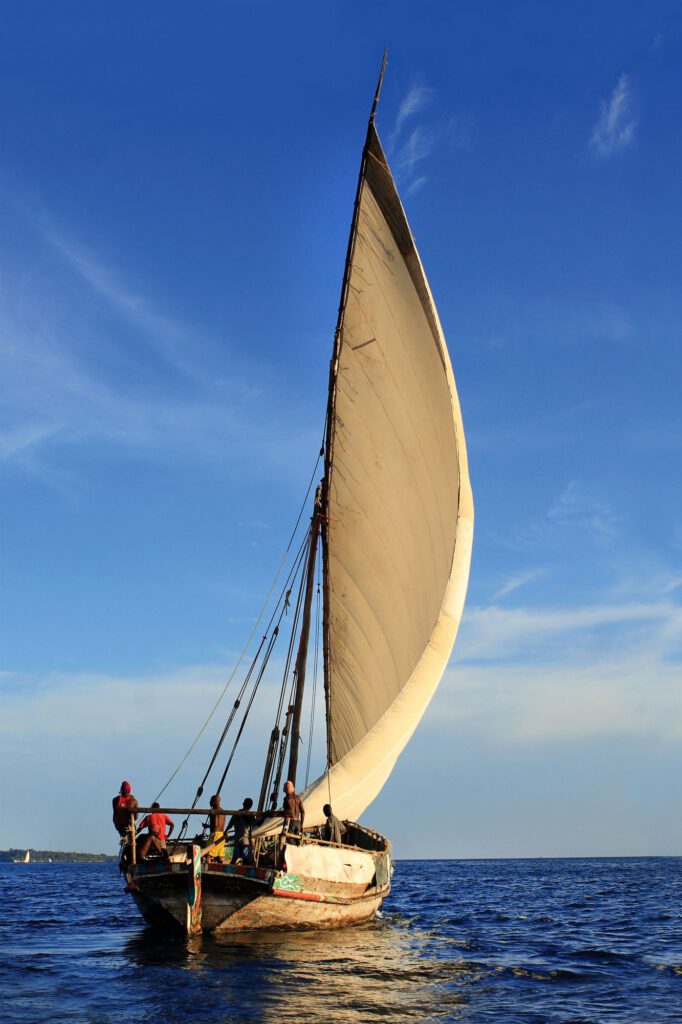
From Stone Town lanes to Mnemba reefs, red colobus monkeys and sandbank picnics: our list of the 25 best things to do in Zanzibar.
Read the article
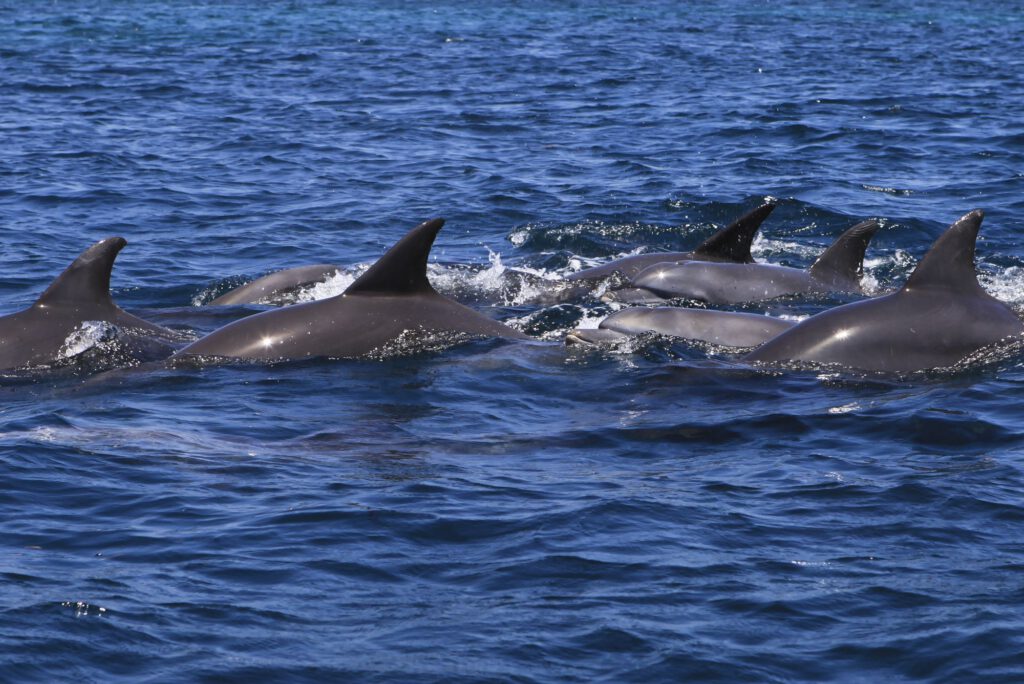
Can you swim with dolphins in Zanzibar? An honest look at Kizimkazi and Mnemba, the welfare problems, how we brief our boats and what to expect.

The short answer
Yes, you can swim with wild dolphins in Zanzibar, mainly at Kizimkazi in the south and around Mnemba Atoll in the north-east. Sightings are likely but never guaranteed. Too many boats chasing the same pod is a real welfare problem, so choose an early start, a crew that keeps its distance, and a quiet entry into the water.
You can. The dolphins around Zanzibar are wild, they live here year-round, and nobody feeds or trains them. On a good morning you slip into warm water and a family of dolphins passes beneath you, close enough to hear their clicks. It is one of the most memorable things you can do on the island.
It is also one of the most mismanaged. We have run dolphin trips for decades, and we would rather tell you the honest picture than sell you a perfect photo. This guide explains where to go, what goes wrong, and how to do it better.
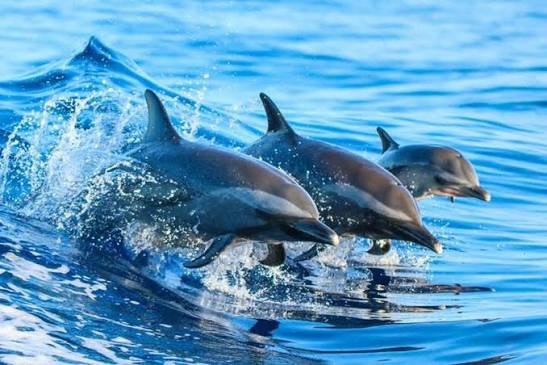
Off Kizimkazi you are most likely to meet Indo-Pacific bottlenose dolphins, which travel in small family groups and often rest in the shallow bays in the morning. Indian Ocean humpback dolphins are seen there too, though less often. Around Mnemba Atoll, spinner dolphins are common, sometimes in larger groups, and they live up to their name by leaping and twisting out of the water.
Dolphins come and go with the tides, the wind and the fish. Some days they are playful and curious; others they are resting or feeding and want nothing to do with people.
Kizimkazi is a fishing village on the south coast, about an hour and a half by road from Stone Town. The dolphins there are seen most days, the boat ride out is short, and the trip combines easily with Salaam Cave, Jozani Forest or the old mosque in Kizimkazi Dimbani, one of the oldest in East Africa. The drawback is crowding, which we come to below.
Mnemba is better for combining dolphins with first-class snorkelling and turtles. The ride is longer and sightings are less predictable, but the boats are usually more spread out. If reef life matters to you as much as dolphins, choose Mnemba.
It can be, but too often it is not. At Kizimkazi on a busy morning you may see a dozen or more small boats racing towards the same pod, cutting across their path and dropping swimmers right on top of them. Dolphins that are resting or nursing calves are pushed to move away, again and again.
Researchers who have studied the Kizimkazi dolphins over many years have found that heavy boat traffic changes their behaviour, cutting into the time they spend resting and feeding. Repeated disturbance of this kind can, over time, drive dolphins away from an area altogether. That would be a loss for the animals and for the village, which relies on them.
We do not think the answer is to stop going. Tourism gives fishermen a reason to protect the dolphins. The answer is to go in a way that leaves them in peace.
Before every trip we agree a few simple rules with the boat crews we use, and we ask guests to support them:
Trips start early, because the sea is calmer and the dolphins are more often close to shore in the morning. You head out in a small motor boat with a skipper and a guide, and you may spend some time searching. When a pod is found, the guide decides whether a quiet swim is possible or whether you watch from the boat.
Sightings are likely on most days, but we cannot guarantee them, and there is no guarantee you will be in the water with dolphins even when you see them. Seas can be choppy, especially in the windy months, and the boats are basic. Bring a mask that fits, a rash vest and something for seasickness if you are prone to it.
The best encounters happen when you are calm and the dolphins choose to come to you. Float quietly at the surface, keep your arms by your sides and let them pass. Never touch a dolphin, try to swim after one or dive down into a group. If a mother and calf are present, give them more room.
Watching from the boat, with the engine off and the dolphins rising and blowing around you, can be just as moving as swimming. If you are not a confident swimmer in open water, that is a perfectly good choice.
We organise the Kizimkazi dolphin trip with a Stone Town or hotel pick-up and often pair it with Salaam Cave, Jozani Forest for red colobus monkeys, or Kuza Cave at Jambiani. The Mnemba trip combines dolphins with snorkelling. A marine conservation fee applies at Mnemba, payable on the day unless stated, and the mandatory Zanzibar inbound travel insurance is never included.
If you are staying on the south-east coast, at Paje, Jambiani or Michamvi, the drive to Kizimkazi is much shorter, so the early start is easier. From Nungwi or Kendwa in the north, Mnemba is closer. Ask us at our office on Vuga Street which option suits your group. We would rather you had one calm, respectful encounter than a morning of chasing.
The two main places are Kizimkazi, a fishing village on the south coast, and the waters around Mnemba Atoll in the north-east. Dolphins are also sometimes seen on Safari Blue trips in Menai Bay. All of these are wild dolphins in the open sea.
No. Dolphins are seen on most mornings at Kizimkazi, but they are wild animals and sometimes do not appear or move away. Even when you see them, the guide may decide a swim would disturb them, and you watch from the boat instead.
It depends on the boat. Crowding and chasing are real problems at Kizimkazi. Choose an operator that approaches slowly, never surrounds a pod, cuts the engine before swimmers enter and leaves resting dolphins alone. We brief our crews on exactly this.
Early morning is best, when the sea is calmer and dolphins are often closer to shore. Trips run all year, though the windy months around June to September can make the sea choppier, especially on the south and east coasts.
Children who swim confidently in open water can join, wearing a buoyancy vest and staying close to an adult. Younger children usually enjoy watching from the boat. The sea can be choppy, so think about seasickness and a long morning on a small boat.
Allow most of a morning. The drive from Stone Town takes about an hour and a half each way, and the boat time depends on how quickly the dolphins are found. Many guests add Salaam Cave or Jozani Forest to make a full day.
Blog
From Stone Town lanes to Mnemba reefs, red colobus monkeys and sandbank picnics: our list of the 25 best things to do in Zanzibar.
Read the article
Blog
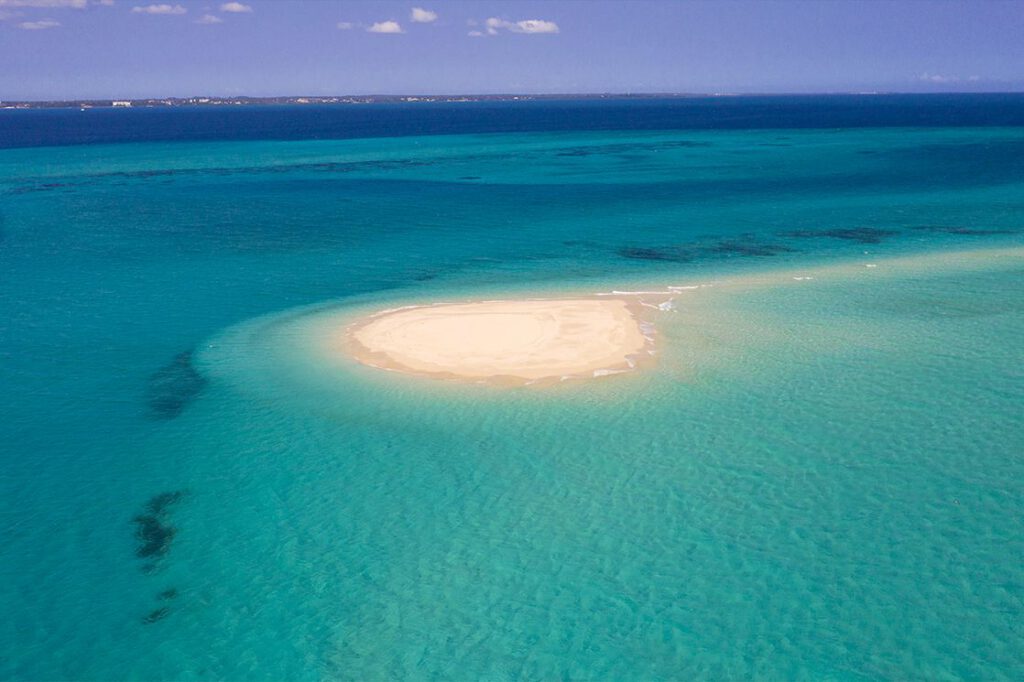
Zanzibar's three most popular boat trips compared: snorkelling, sandbanks, food, crowds, length of day and who each one suits best.
Read the article

Blog
A local's guide to Stone Town: the lanes and carved doors, Forodhani at night, the slave market memorial, Darajani market, rooftops and sunset.
Read the article
Sea & Islands
Look for wild dolphins off Mnemba Atoll, then snorkel clear reefs with turtles and shoals of fish.
View details
Nature & Wildlife
Wade with sea turtles in a natural coral-limestone cave pool near Kizimkazi, on Zanzibar's south coast.
View details
Nature & Wildlife
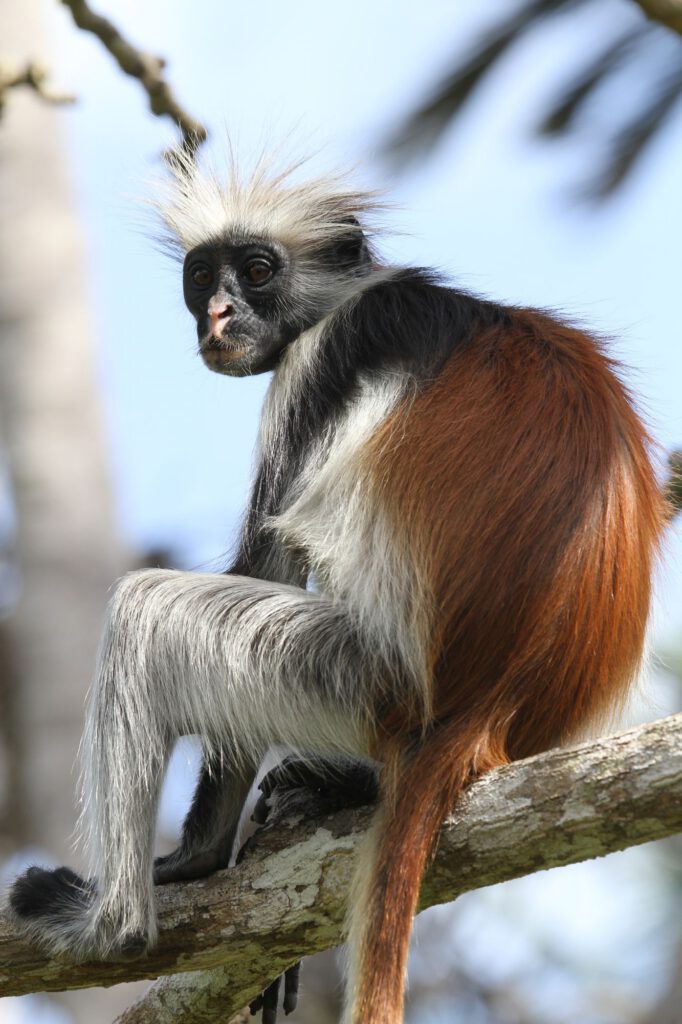
Meet Zanzibar red colobus monkeys and walk a mangrove boardwalk in the island's only national park.
View details