
Blog
Nungwi or Paje?
Nungwi and Kendwa or Paje and the east coast? We compare tides, sunsets, wind, nightlife and trips to help you pick the right Zanzibar beach.
Read the article
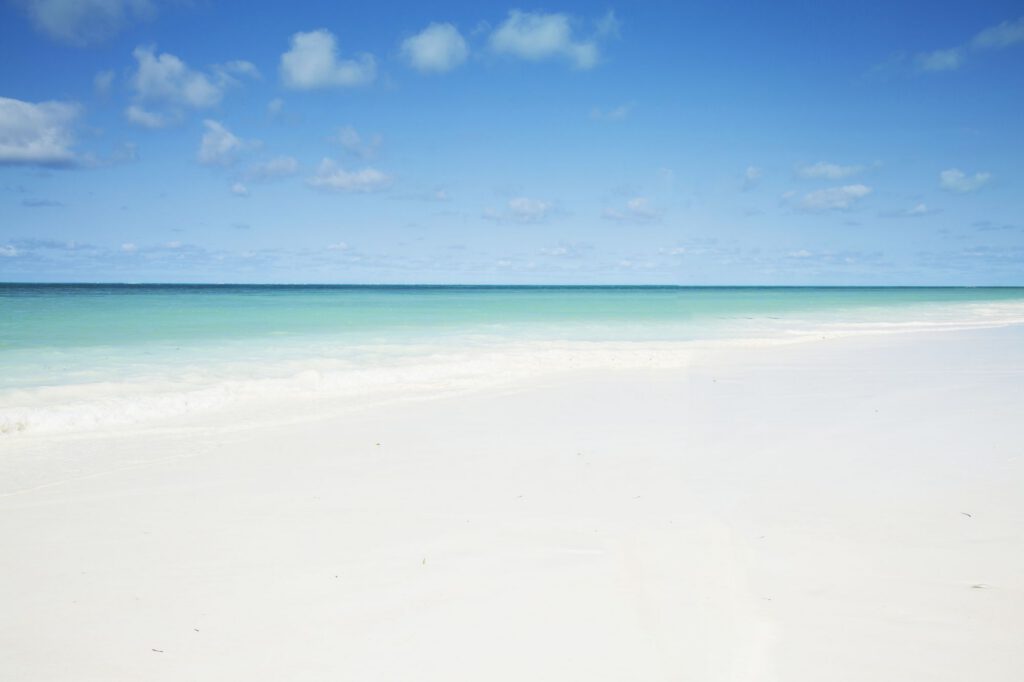
North, east or south? A local guide to Zanzibar's best beaches, how the tides change them, and which coast suits swimmers, families and kitesurfers.
The short answer
The best beach in Zanzibar depends on what you want. Nungwi and Kendwa in the north are best for swimming at any tide and for sunsets. Paje and Jambiani on the south-east coast suit kitesurfers and village life. Matemwe and Kiwengwa are quieter, while Michamvi offers calm water and west-facing sunsets.
Every coast has fine white sand. What really differs is the tide, the wind and the mood. People sometimes arrive on the east coast at low tide, see the sea a kilometre away and think they have chosen badly. They have not; they just need to know how the island works.
In short: the north for swimming and sunsets, the east and south-east for long walks, kitesurfing and village life, the far south for dolphins and quiet, and the west near Stone Town for convenience.
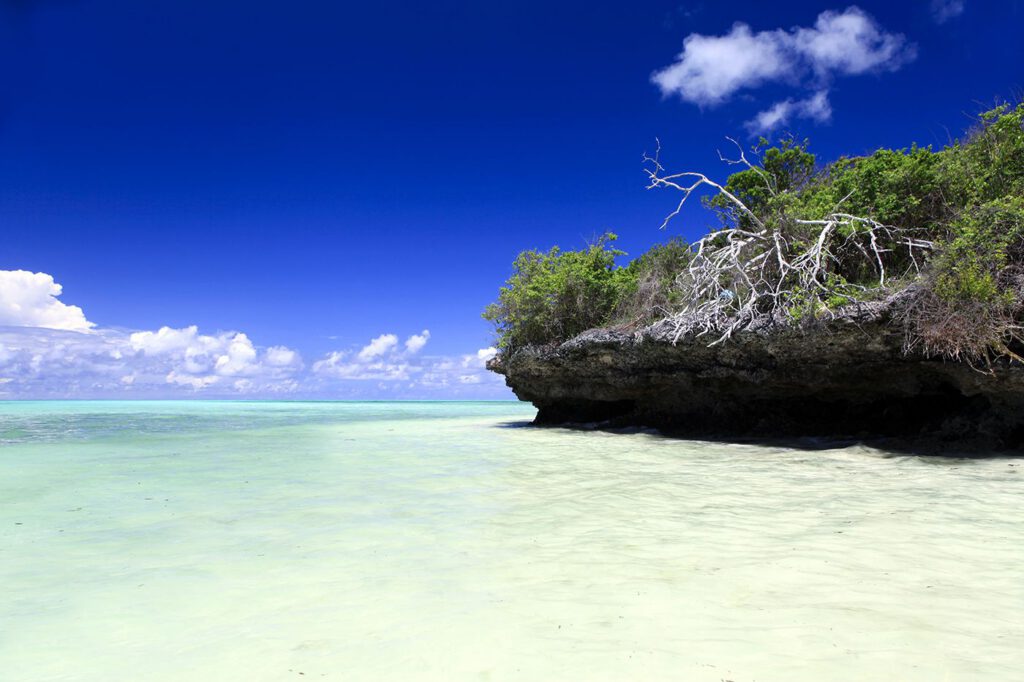
Zanzibar has a large tidal range. On the east coast, behind the reef, the water drains from the lagoon twice a day and leaves sand, seagrass and rock pools. Women from the villages farm seaweed on these flats, and you can walk far out among them.
At high tide the same beaches are turquoise and swimmable. Ask your hotel for a tide table and plan swims and snorkelling around it. In the north, around Kendwa and Nungwi, the tidal effect is much smaller, which is why those beaches are busiest.
Nungwi, at the northern tip, has deep water close to the shore, a traditional dhow-building beach and a small turtle sanctuary. It is lively, with plenty of restaurants and bars, and some parts are crowded with hotels and sellers.
Kendwa, just south, is broader and calmer, with easy swimming at almost any tide and sunsets over the water. It hosts a monthly full moon party, so it can be loud on that night. Both are a long drive from the airport, roughly an hour or more.
Matemwe is the departure point for Mnemba, the best snorkelling area for most visitors, and it is still a working fishing village. Kiwengwa has more large resorts and a strong reef. Pongwe is small and quiet, with a short palm-fringed bay and few hotels.
These beaches are tidal, so expect low-tide mornings or afternoons when swimming is limited. In exchange, they are calmer and greener than the north.
Paje is the kitesurfing centre of Zanzibar, with a steady breeze for much of the year and a young, sociable crowd. Jambiani, next door, is a long village beach with fishermen and seaweed farmers, and close to Kuza Cave.
Bwejuu is quiet and palm-lined. The Michamvi peninsula, at the northern end, has beaches facing west into Chwaka Bay, so it gives calm water and sunsets, and The Rock restaurant sits on the reef near Pingwe. All of these are strongly tidal.
Kizimkazi, in the far south, is a fishing village known for dolphin trips and the Salaam Cave. The beaches are more rocky and local than resort-style, and the area feels far from the crowds. Choose a dolphin trip that keeps a respectful distance; we brief our boats not to chase them.
Fumba, south-west of Stone Town, looks over Menai Bay, where Safari Blue sails among sandbanks and mangroves. It is quieter and handy for the airport, though not a classic swimming beach.
A simple guide from our office on Vuga Street:
At certain times of year, loose seaweed washes up on the east coast. Hotels rake it daily, but it is part of nature here. Sea urchins sit on the reef flats, so wear reef shoes.
Many beaches are public and used by local people, who may be fishing, working or praying nearby. Swimwear belongs on the beach, not in the village behind it.
Kendwa is the most reliable, because the water stays deep at almost every tide. Nungwi is close behind. On the east coast, swimming is good only around high tide, so plan your day around the tide table.
Nungwi is better for swimming, sunsets and a lively choice of restaurants. Paje suits kitesurfers and those who like a sociable, relaxed scene and do not mind the tide going far out twice a day.
It is the tide. On the east coast the lagoon behind the reef drains at low tide, sometimes for a kilometre or more. The water returns within a few hours, and low tide is a good time to walk and see seaweed farms.
Kendwa is the easiest for children because of its gentle, swimmable water. On the east coast, choose a hotel with a pool, since the sea can be far out for part of the day, and pack reef shoes.
Most beach stays are on the north and east coasts, which have the classic white sand. The west coast near Stone Town and Fumba is more convenient and calm, but its beaches are generally less impressive for swimming.
Loose seaweed washes ashore on the east coast at certain times of year, depending on wind and currents. Hotels usually clear their stretch each morning. The north coast tends to be less affected.
Blog
Nungwi and Kendwa or Paje and the east coast? We compare tides, sunsets, wind, nightlife and trips to help you pick the right Zanzibar beach.
Read the article
Blog
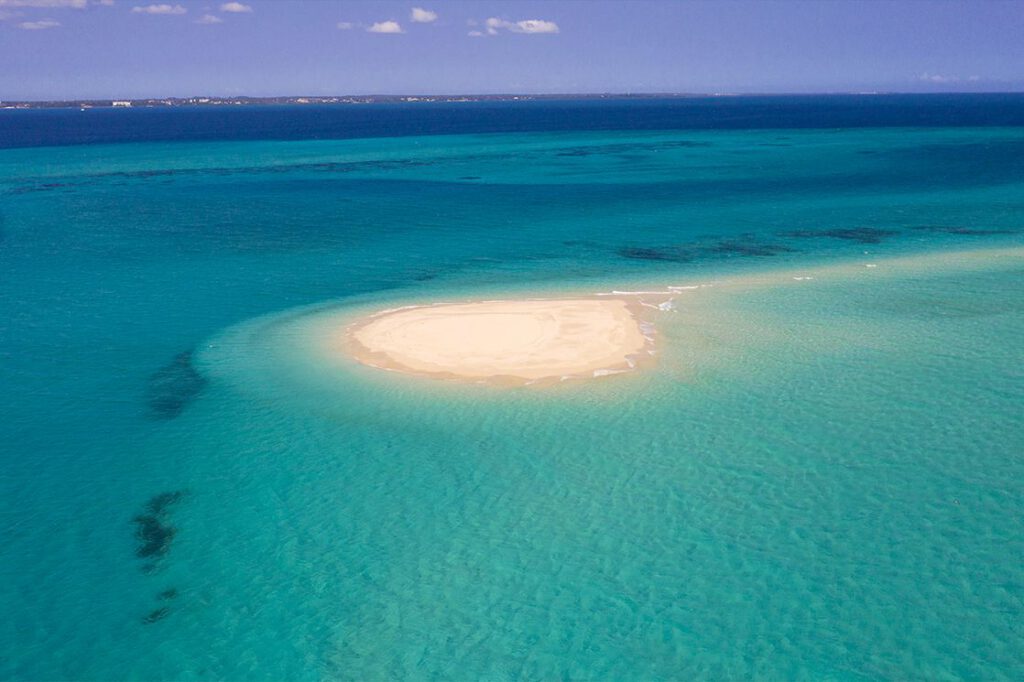
Where to snorkel in Zanzibar, from Mnemba Atoll and Menai Bay to Chumbe and the Blue Lagoon, plus the best months, tides and reef-friendly habits.
Read the article
Blog
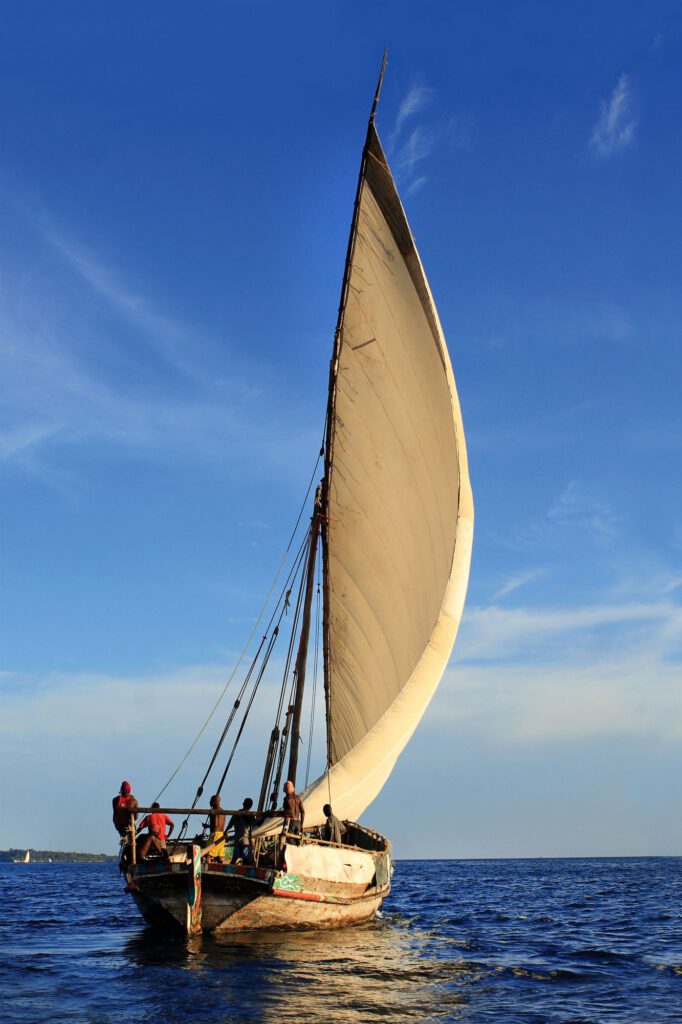
From Stone Town lanes to Mnemba reefs, red colobus monkeys and sandbank picnics: our list of the 25 best things to do in Zanzibar.
Read the article
Nature & Wildlife
Meet rescued sea turtles in a natural tidal lagoon at Nungwi, cared for by the village.
View details
Sea & Islands
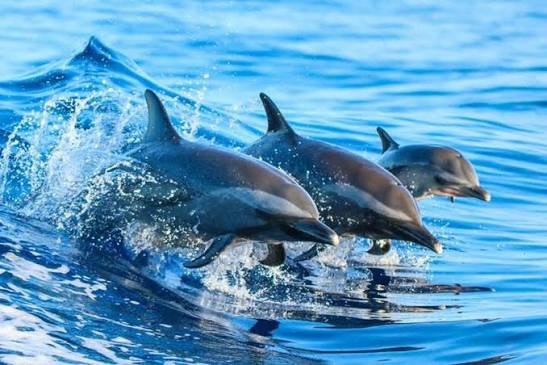
Look for wild dolphins off Mnemba Atoll, then snorkel clear reefs with turtles and shoals of fish.
View details
Sunset & Evenings
Lunch or dinner at the restaurant on a rock in the sea at Michamvi Pingwe, with return transfer.
View details