
Blog
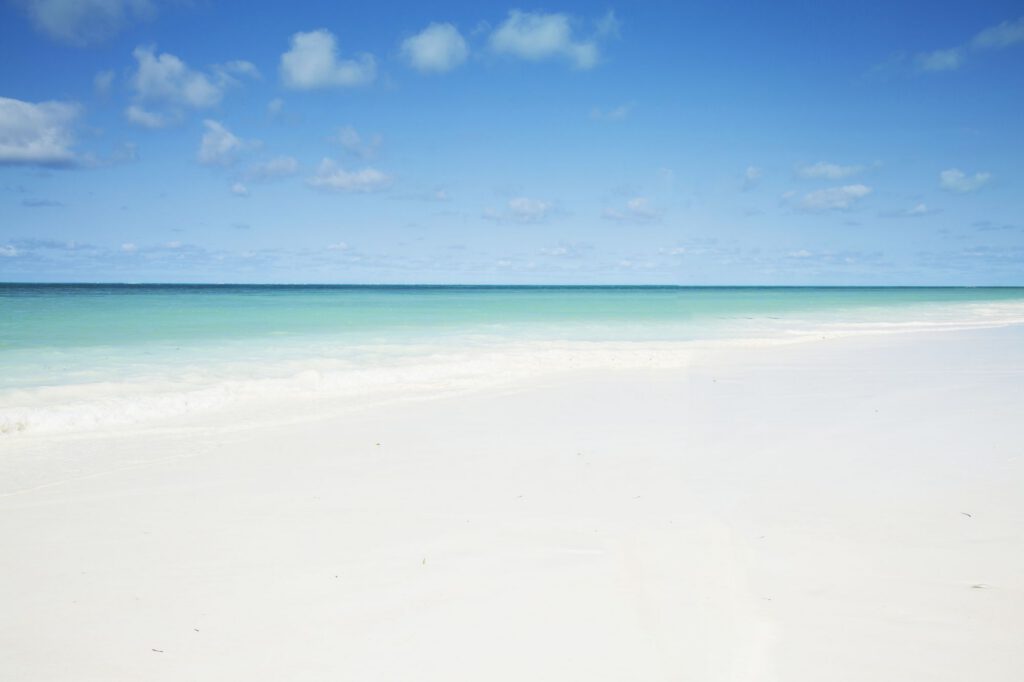
Best beaches in Zanzibar
North, east or south? A local guide to Zanzibar's best beaches, how the tides change them, and which coast suits swimmers, families and kitesurfers.
Read the article
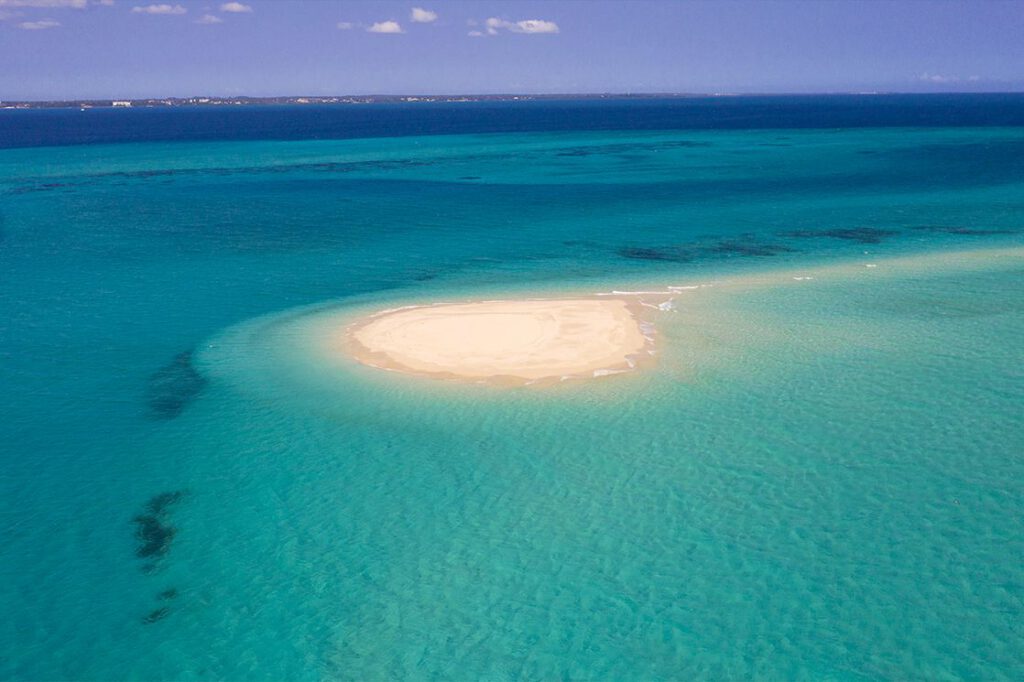
Where to snorkel in Zanzibar, from Mnemba Atoll and Menai Bay to Chumbe and the Blue Lagoon, plus the best months, tides and reef-friendly habits.
The short answer
The best snorkelling in Zanzibar is at Mnemba Atoll off the north-east coast, followed by Chumbe Island Coral Park, Menai Bay (the Safari Blue area), Nakupenda sandbank, Prison Island and the Blue Lagoon at Michamvi. Visibility is usually best from about October to March, and the tide matters as much as the month.
Zanzibar is ringed by coral reef, but not all of it is equally good. Some reefs near busy beaches have been damaged by anchors, fishing and warming seas, and a few trips sold as snorkelling are really a boat ride with a quick swim. The difference between a good day and a disappointing one is mostly about where you go and when.
Here are the places we send guests, roughly in order of how much you are likely to see, with honest notes on each.
Mnemba Atoll, off the north-east tip of the island, is a marine conservation area and the reef most people mean when they talk about Zanzibar snorkelling. Expect clear water, coral gardens, big shoals of fish, often green turtles, and a fair chance of seeing dolphins on the way out. The island itself is private, so you snorkel from the boat and do not land.
The downside is popularity. On a busy morning many boats gather at the same spots, so we prefer to leave early. Boats run from Matemwe, Kendwa and Nungwi. A conservation fee is payable on the day unless stated.
Menai Bay, off the south-west coast near Fumba, is a large conservation area of sandbanks, mangroves and small islands. The Safari Blue day by dhow combines snorkelling on patch reefs, a seafood lunch on a sandbank, a swim in a mangrove lagoon and often a dolphin sighting.
The coral here is good rather than spectacular, and the day is as much about the sailing and the lunch as the fish. It suits families and mixed groups well. Again, a park fee applies, payable on the day unless stated.
These two are a short boat ride from Stone Town, which makes them easy half-day trips. Nakupenda is a strip of white sand that appears and disappears with the tide, with snorkelling on reefs nearby. Changuu, better known as Prison Island, has giant tortoises on land and a reef just offshore.
The snorkelling at both is pleasant rather than outstanding, and visibility near town is lower than on the east coast. Go for the setting and an easy swim, not for the best coral on the island. Paired with a morning walk around Stone Town, either one makes a relaxed first day before you head to the beach.
Chumbe, south of Stone Town, is a privately managed marine reserve that has protected its reef from fishing for many years. Visits are guided, numbers are limited and the coral is among the healthiest around Zanzibar. It is the best choice for anyone who cares about reef life and is happy with a quieter, more educational day. We arrange it on request with the park, subject to availability.
The Blue Lagoon at Michamvi, on the south-east coast, is a sheltered shallow bay that is ideal for beginners and children. It depends heavily on the tide: at low tide it can be too shallow, and there are many boats in the middle of the day.
You can snorkel year-round, but conditions vary. As a general rule, the calmest seas and clearest water come between about October and March, between the windy months and the long rains. The long rains, usually around April and May, bring run-off and choppier water. From roughly June to September the south-east trade wind can make crossings bumpy, especially on the east coast, though many days are still fine.
Tides matter just as much. Zanzibar has a large tidal range, and on the east coast the sea retreats a long way at low tide. Sandbanks appear only at lower water, while shallow reefs and lagoons are best when there is enough depth over the coral. Spring tides around the full and new moon are the most extreme. We plan departure times around the tide table, which is why your pick-up time may change from one day to the next. Our weather and tides guide explains more.
Coral is a living animal, and much of Zanzibar's reef has been under pressure from bleaching and heavy use. A few habits make a real difference:
Yes, with the right choice of spot. The Blue Lagoon, Nakupenda and the calmer parts of Menai Bay are gentle places to start. At Mnemba the water is deeper and there can be current, so non-swimmers should wear a vest and stay close to the crew.
Masks, snorkels and fins are usually provided, but the fit can be hit and miss. If you have a mask you like, bring it. Reef shoes help on sandbanks, and a dry bag keeps your phone safe on the boat.
Remember that marine park and conservation fees are usually paid on the day unless your booking says otherwise, and the mandatory Zanzibar inbound travel insurance is never included in excursion prices.
Mnemba Atoll, off the north-east coast, has the clearest water and the richest marine life, with a good chance of turtles. Chumbe Island Coral Park has some of the healthiest protected coral. Menai Bay, Nakupenda and the Blue Lagoon are gentler options.
Often, yes, especially around Mnemba Atoll, where green turtles feed on the reef. Sightings are never guaranteed. Watch quietly from a distance, do not chase or touch them, and give them room to come up for air.
No. Sheltered spots such as the Blue Lagoon and Nakupenda are shallow and calm. Buoyancy vests are usually available on boats, and crews will stay close to nervous swimmers. Tell us your swimming level when booking so we can suggest the right trip.
For most people, yes. It is the best all-round reef near Zanzibar, though it can be busy. Leaving early, choosing a calm day and going with a crew that keeps a respectful distance from turtles and dolphins makes a big difference.
Yes. Mnemba, Menai Bay and Chumbe all charge conservation or park fees, which help pay for protection of the reefs. On our trips the fee is payable on the day unless stated in your booking.
The sea is warm all year, generally in the mid to high twenties Celsius, slightly cooler in the middle of the year. Most people snorkel comfortably without a wetsuit, though a rash vest is useful for sun protection.
Blog
North, east or south? A local guide to Zanzibar's best beaches, how the tides change them, and which coast suits swimmers, families and kitesurfers.
Read the article
Blog
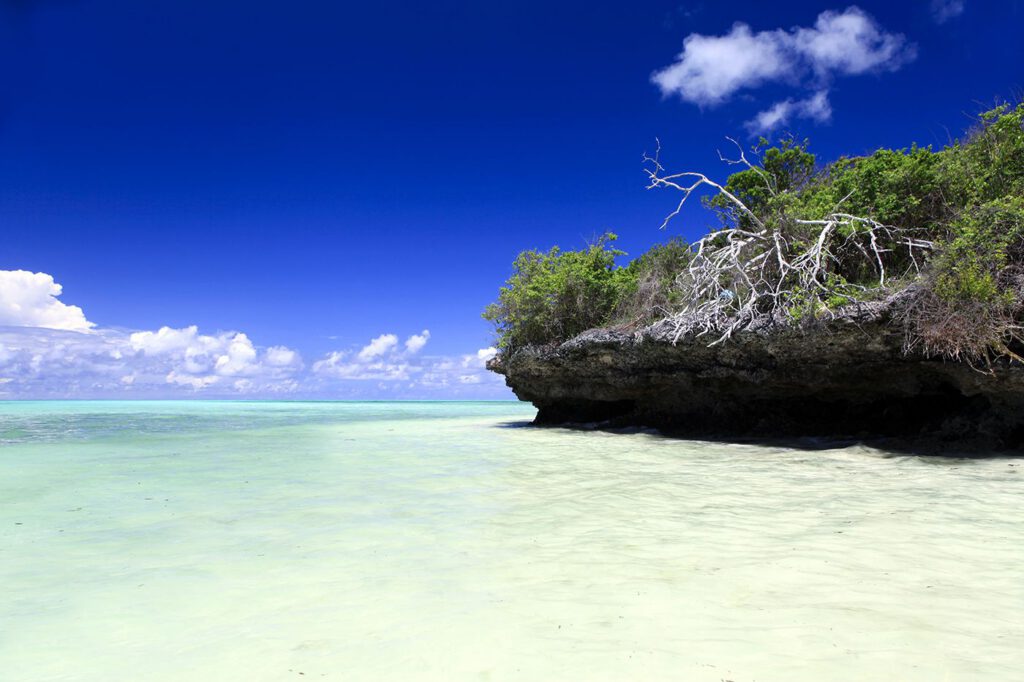
Nungwi and Kendwa or Paje and the east coast? We compare tides, sunsets, wind, nightlife and trips to help you pick the right Zanzibar beach.
Read the article
Blog
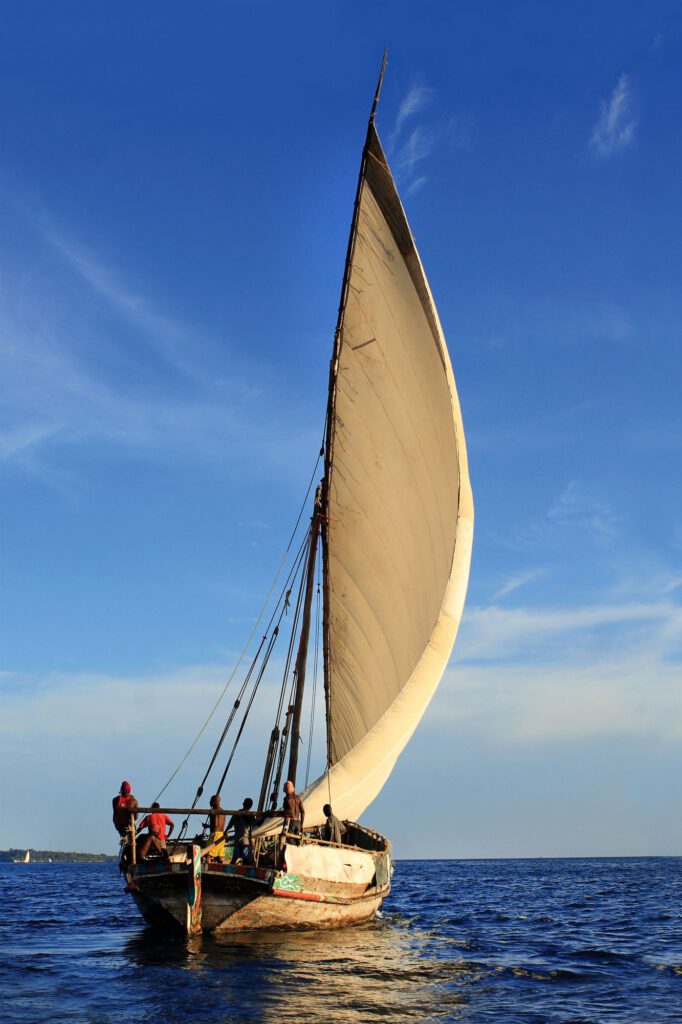
From Stone Town lanes to Mnemba reefs, red colobus monkeys and sandbank picnics: our list of the 25 best things to do in Zanzibar.
Read the article
Sea & Islands
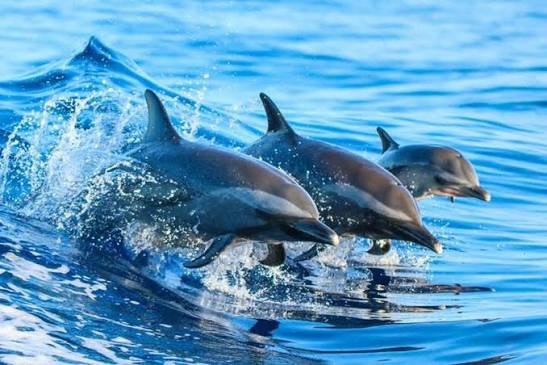
Look for wild dolphins off Mnemba Atoll, then snorkel clear reefs with turtles and shoals of fish.
View details
Sea & Islands
A day under sail in Menai Bay: sandbank, reef snorkelling, seafood on Kwale Island and a lagoon swim.
View details
Sea & Islands
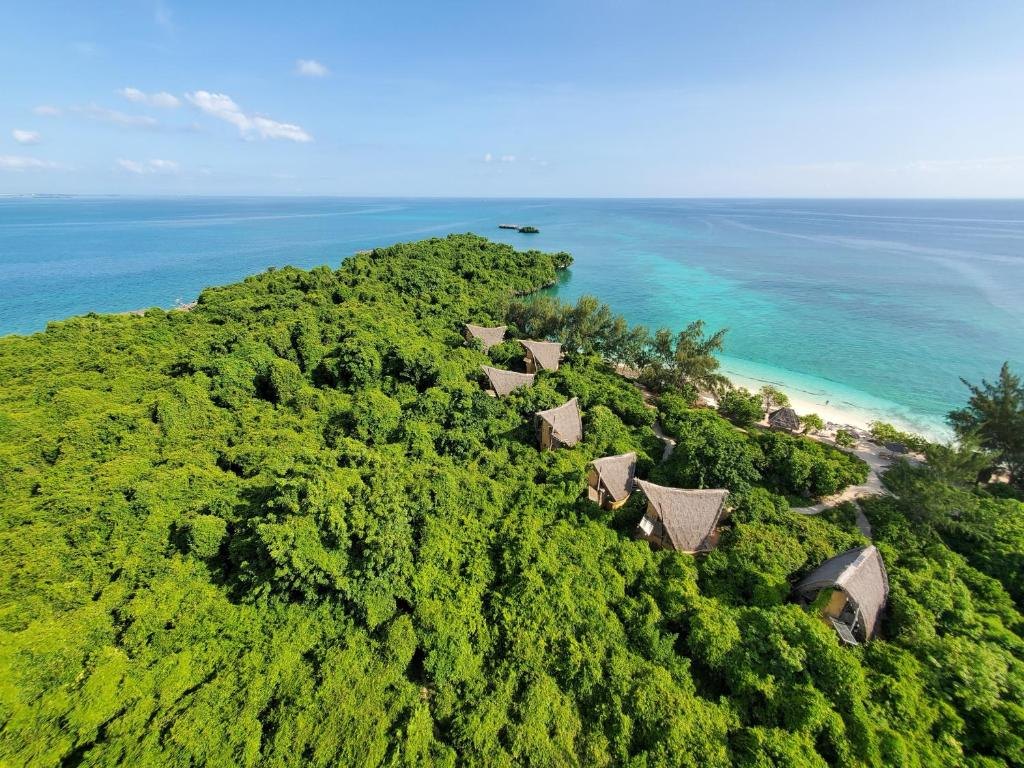
Snorkel a fully protected coral reef, walk an island forest and climb an old lighthouse.
View details