
Blog
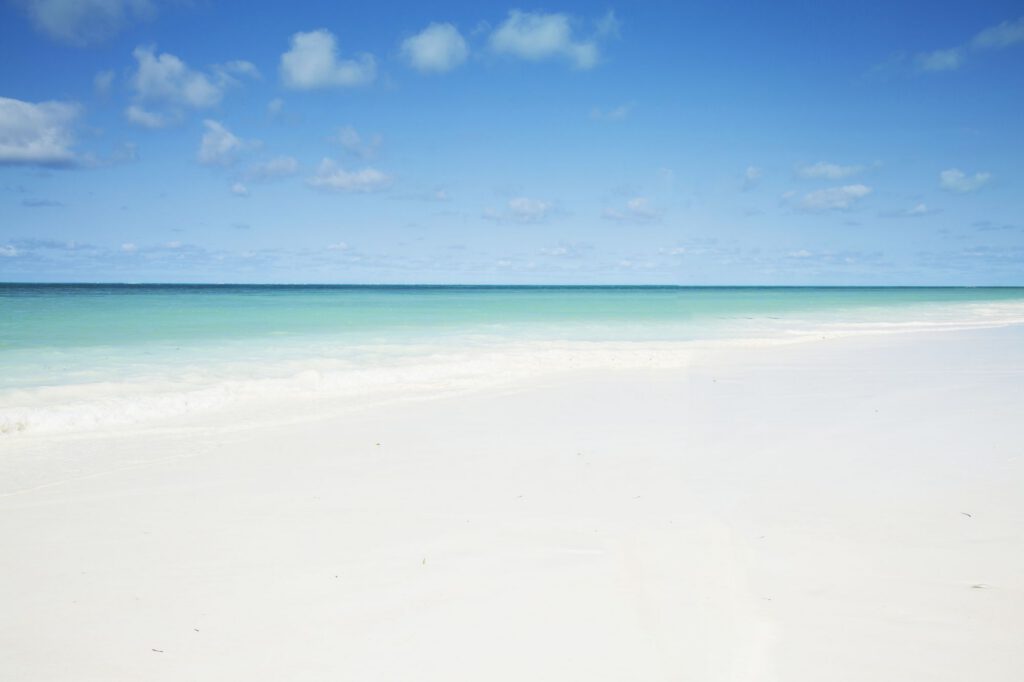
Best beaches in Zanzibar
North, east or south? A local guide to Zanzibar's best beaches, how the tides change them, and which coast suits swimmers, families and kitesurfers.
Read the article
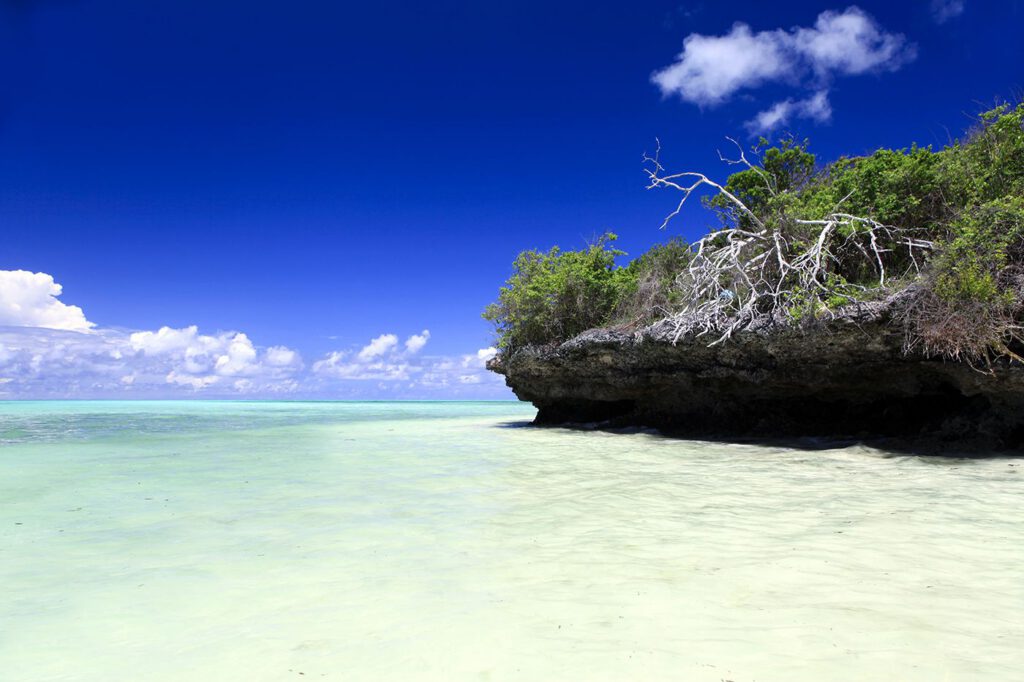
Nungwi and Kendwa or Paje and the east coast? We compare tides, sunsets, wind, nightlife and trips to help you pick the right Zanzibar beach.
The short answer
Choose Nungwi or Kendwa in the north if you want to swim at any time of day, watch the sun set over the sea and have bars and restaurants nearby. Choose Paje on the south-east coast for space, kitesurfing and a quieter village feel, as long as you plan your swims around the tide.
The question we are asked most after 'when should we come?' is 'where should we stay?'. For most visitors it comes down to two areas: Nungwi and neighbouring Kendwa, at the northern tip of the island, or Paje and its neighbours on the south-east coast. Both have white sand and turquoise water. They feel completely different.
In short: choose Nungwi or Kendwa if you want to swim at any time of day, watch the sun set over the sea and have bars and restaurants on the doorstep. Choose Paje and the south-east coast if you want space, wind for kitesurfing and a quieter village feel, and do not mind planning your swims around the tide. Here is how they compare in practice.
Nungwi is a fishing and dhow-building village that has grown into the island's busiest beach resort. Walk along the shore in the morning and you will see boatbuilders shaping hulls by hand and fishermen landing the catch; by evening, the beach bars play music and the sun sets straight into the sea. Kendwa, a short walk or boat ride south, is calmer, with a wide, sloping beach and some of the best swimming on the island.
The big advantage is the tide. The water here stays deep enough to swim at most states of the tide, which is why families and anyone who wants a classic beach holiday often choose the north. The downsides: it is the most developed part of the coast, the beach is narrower in places at high tide, beach sellers can be persistent, and the drive from Stone Town or the airport takes about 1 hour 15 minutes to 1 hour 30 minutes.
Paje sits roughly in the middle of a long stretch of coast that runs from Michamvi down through Bwejuu and Paje to Jambiani. The sand is powder-white, the lagoon behind the reef is impossibly blue, and the pace is slower. Women tend seaweed farms in the shallows at low tide; dala-dalas rattle along the coast road; small guesthouses sit beside boutique hotels.
The defining feature is the tide. At low water, especially around full and new moon, the sea retreats hundreds of metres or more, and you walk rather than swim; at high tide the lagoon is calm and lovely. If you are relaxed about timing your swims, it is a wonderful place; if you want to swim whenever you feel like it, it can be frustrating. Our weather and tides guide explains the pattern in detail. Paje is also one of East Africa's best kitesurfing spots, with steady winds from June to September and again from December to February.
How they compare on the things guests care about:
From the north, Mnemba Atoll snorkelling is close by, as is the Nungwi turtle sanctuary and sunset dhow cruises right off the beach. Stone Town and Safari Blue mean longer drives.
From Paje, Jozani Forest is about 20 minutes away and The Rock restaurant is just up the coast at Michamvi. Safari Blue, the Kizimkazi dolphin tour and Stone Town are each about an hour by road, and Mnemba is reachable with an early start. Kitesurfing lessons happen right on the beach.
Choose Nungwi or Kendwa if you have young children, want to swim at any time, love a sunset drink or want some nightlife. Choose Paje, Jambiani or Bwejuu if you want space and quiet, enjoy walking and exploring at low tide, want to learn to kitesurf, or are staying for a week or more and like a village feel. Honeymooners often prefer the quieter hotels on the east coast or around Matemwe, which is calmer than the north but closer to Mnemba.
With eight nights or more, splitting your beach time between the north and east coasts works well. The drive between them is about an hour and a half, and you get sunsets and swimming in one, space and tides in the other. With a week or less, we would usually stay put: every move costs half a day. Tell us what matters most to you and we will suggest hotels that fit.
Neither is better; they suit different people. Nungwi and Kendwa are best for swimming at any time, sunsets and nightlife. Paje is best for space, kitesurfing and a relaxed village feel, if you are happy to plan your swims around the tides.
Not at low tide around full and new moon, when the sea retreats hundreds of metres or more and you walk across the sand instead. Around high tide the lagoon behind the reef is calm and lovely for swimming.
Kendwa has a wide, sloping beach, a calmer atmosphere and some of the best swimming on the island. Nungwi has more restaurants and bars and a working dhow-building village. They are a short walk or boat ride apart, so you can enjoy both.
Jambiani and Bwejuu on the south-east coast are quieter still than Paje, with fewer bars and more village life. Matemwe, on the north-east coast, is calmer than the north and closer to Mnemba, which is why honeymooners often like it.
The drive between the north and east coasts takes about an hour and a half. With eight nights or more, splitting your stay works well; with a week or less, we would usually stay in one place, as every move costs half a day.
Blog
North, east or south? A local guide to Zanzibar's best beaches, how the tides change them, and which coast suits swimmers, families and kitesurfers.
Read the article
Blog
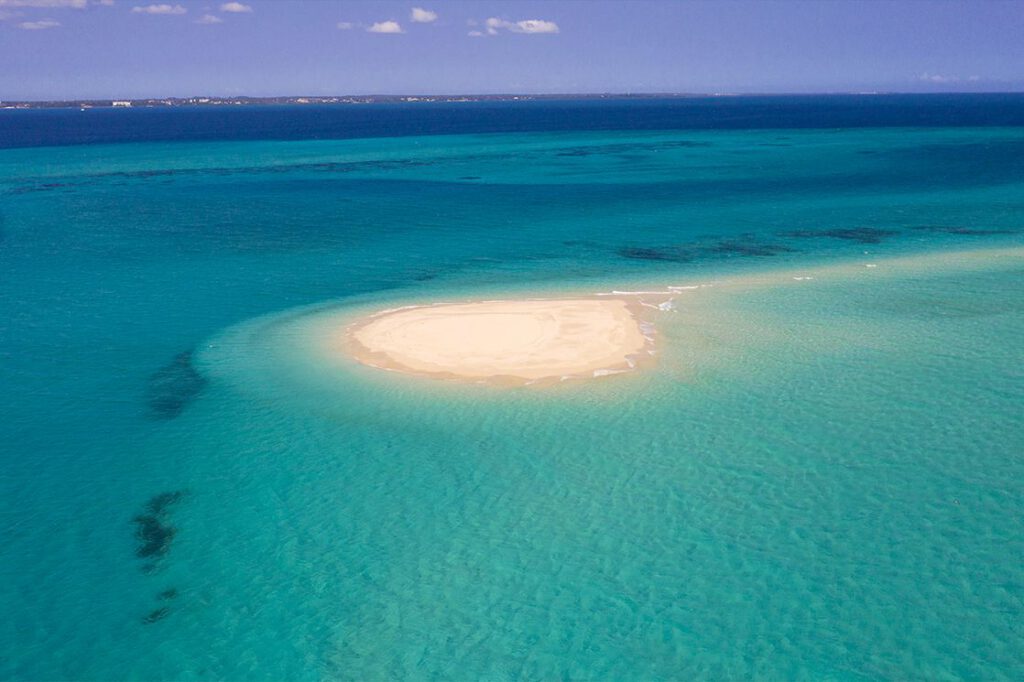
Where to snorkel in Zanzibar, from Mnemba Atoll and Menai Bay to Chumbe and the Blue Lagoon, plus the best months, tides and reef-friendly habits.
Read the article
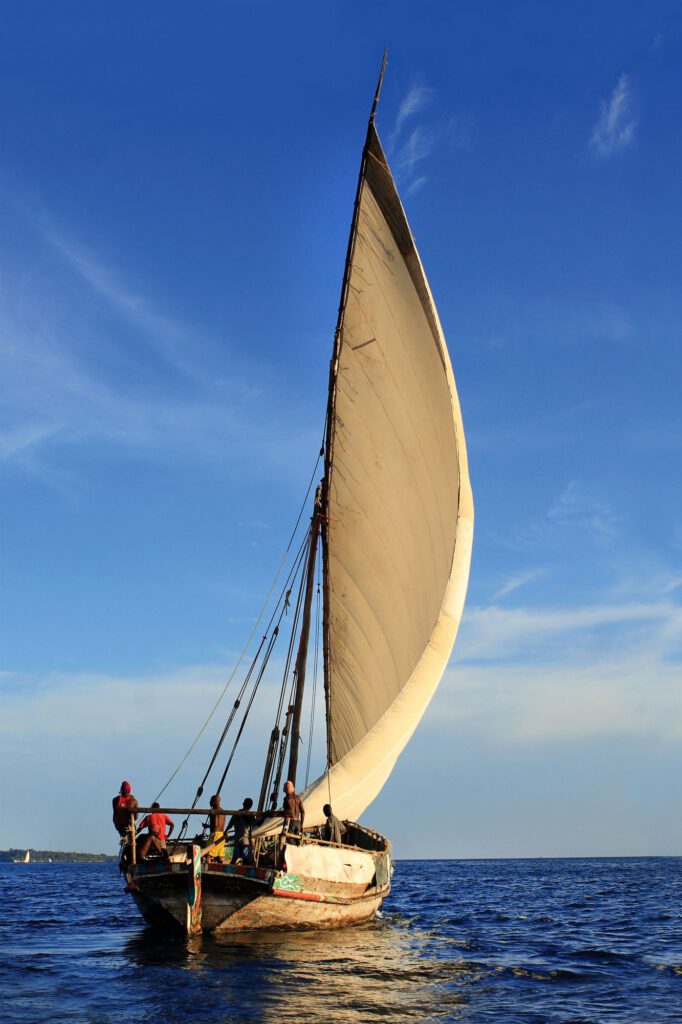
Blog
From Stone Town lanes to Mnemba reefs, red colobus monkeys and sandbank picnics: our list of the 25 best things to do in Zanzibar.
Read the article
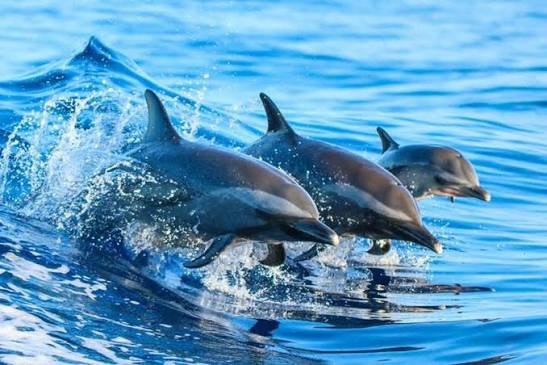
Sea & Islands
Look for wild dolphins off Mnemba Atoll, then snorkel clear reefs with turtles and shoals of fish.
View details
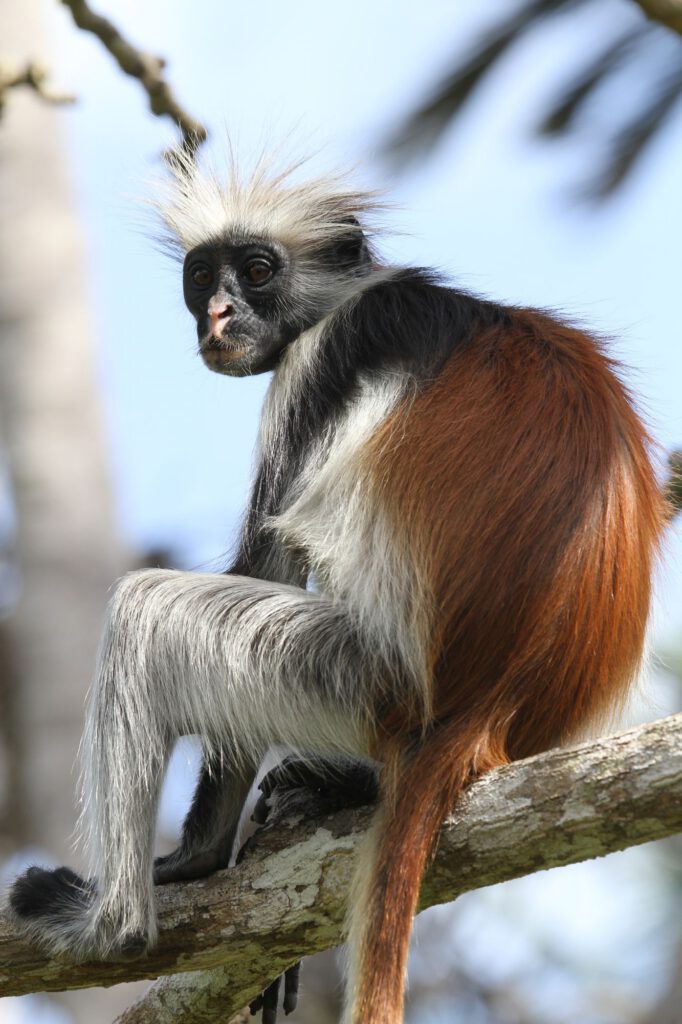
Nature & Wildlife
Meet Zanzibar red colobus monkeys and walk a mangrove boardwalk in the island's only national park.
View details
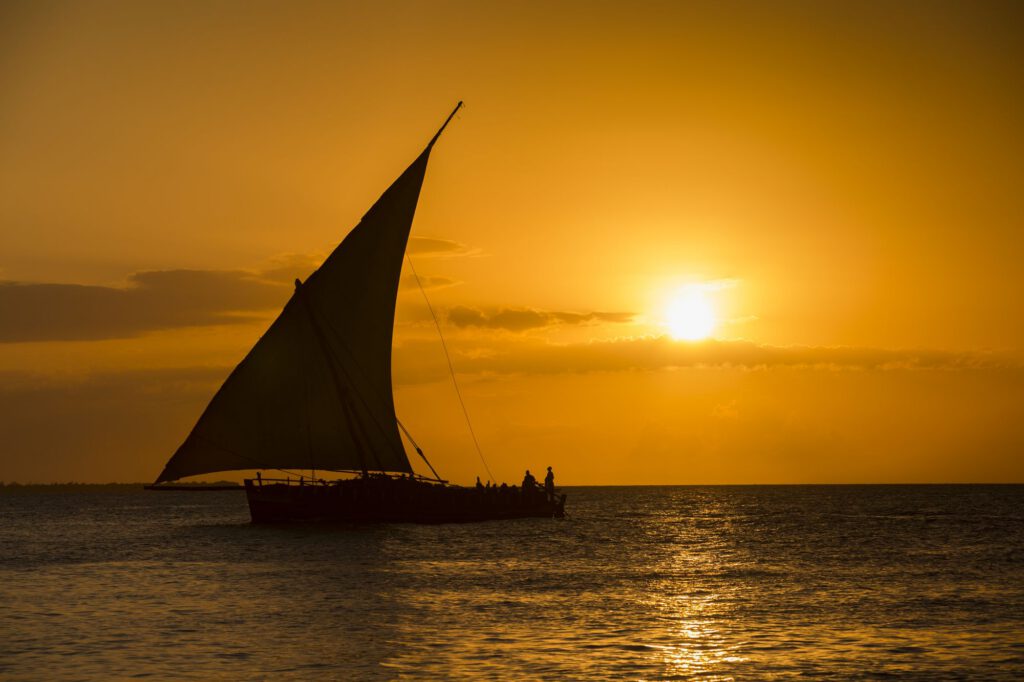
Sunset & Evenings
Sail a wooden dhow along the Stone Town seafront as the sun drops into the Zanzibar Channel.
View details