
Travel information
Weather & tides explained
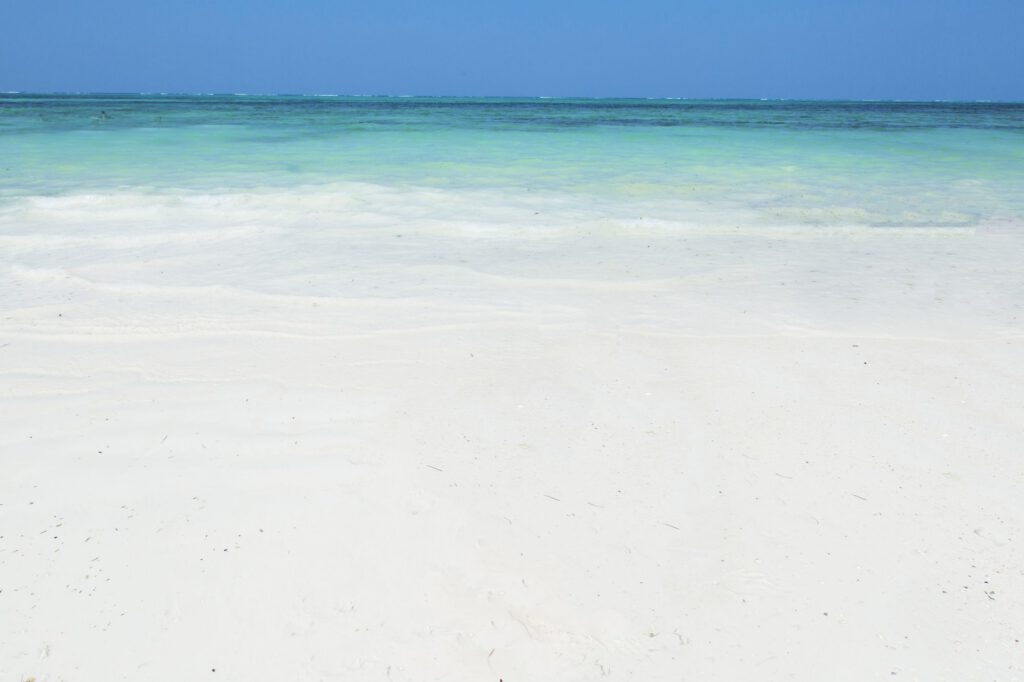
Why the sea disappears on Zanzibar's east coast, which beaches you can swim from at low tide, and how monsoon winds shape your holiday.
Read the guide
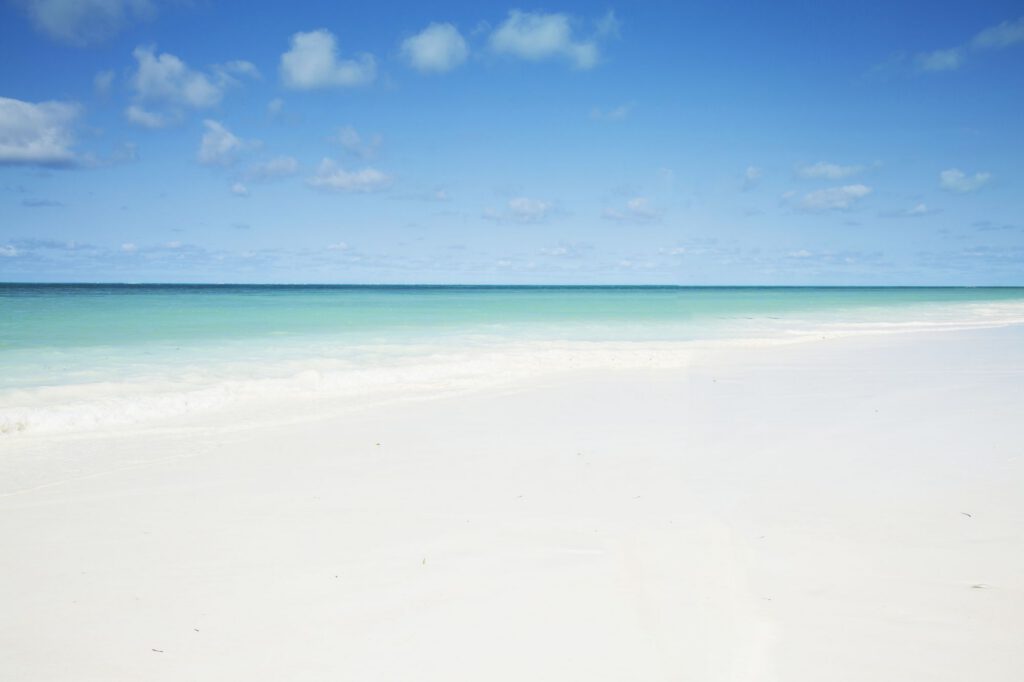
Dry seasons, rainy months, winds, tides and festivals: a month-by-month guide to choosing when to visit Zanzibar, from our Stone Town office.
The short answer
The best time to visit Zanzibar is June to October, when it is cooler and drier, or mid-December to February, when it is hot and the sea is calm and clear. These are also the busiest, most expensive months. April and May bring the long rains; November has shorter showers.
For most people, the best time to visit Zanzibar is June to October, when the air is cooler and drier, followed closely by mid-December to February, when it is hot, still and the sea is at its clearest. Those two windows are also when the island is busiest and hotel prices are highest.
The months we gently steer people away from are April and May, the heart of the long rains. Even then Zanzibar is not a write-off, but some beach hotels close, boat trips are more often cancelled, and the roads to the east coast can be slow. November is a quieter, shorter rainy spell that many of our regular guests actually prefer.
Zanzibar sits about six degrees south of the equator, so it never gets cold. Daytime temperatures move between roughly 26°C and 32°C all year. What changes is the rain and, just as importantly for a beach holiday, the wind.
From June to September the kusi, the south-east trade wind, blows steadily. It keeps the heat comfortable and makes Paje and Jambiani one of the best kitesurfing spots in East Africa, but it also stirs up the east coast and can make afternoon boat crossings choppy. From December to February the kaskazi blows gently from the north-east; the sea flattens, visibility underwater improves and the north of the island around Nungwi and Kendwa is at its calmest.
Between the two monsoons come the rains: masika, the long rains, from late March to May, and vuli, the short rains, in November and sometimes early December. Rain usually falls as heavy showers rather than all-day drizzle, often in the afternoon or overnight, with sunshine in between.
January and February are hot and humid, with calm seas and excellent snorkelling at Mnemba. It is peak season for families and honeymooners. In 2027 Ramadan is expected to begin around 8 February, which changes the rhythm of Stone Town for the following month.
March is a shoulder month. The heat builds and the first long-rain showers can arrive in the second half. Prices start to fall.
April and May are the wettest months. Expect several days of heavy rain each week, some closed restaurants on the east coast and the odd cancelled boat trip. In return you get green landscapes, empty beaches and the lowest hotel rates of the year.
June is fresh and green after the rains; the wind picks up and the island fills again from late in the month. July and August are the busiest months of the year, with European school holidays and safari-plus-beach travellers arriving from the mainland. Book the popular trips and good hotels early.
September and October are, in our view, the sweet spot: dry, sunny, warm but not sticky, and a little less crowded than August. October can be very still and hot by the end of the month.
November brings short, sharp showers and quieter roads. December starts calm and builds to the very busy Christmas and New Year period, when the best hotels often require minimum stays.
Different trips are at their best at different times. A rough guide from our boat crews and guides:
Whatever month you choose, the tide shapes your beach days more than the weather does. On the east coast around Paje the sea can retreat a very long way at low water; in the north around Nungwi and Kendwa you can swim at most states of the tide. Our guide to Zanzibar weather and tides explains how it works and how we time boat trips around it.
Zanzibar's calendar can be a reason to go, or a reason to choose different dates. Sauti za Busara, the island's big African music festival, usually takes over Stone Town in February; for 2027 the organisers have moved it to 19–21 March, after Ramadan and Eid. The Zanzibar International Film Festival is usually held in late June or July (24–28 June in 2026), and Mwaka Kogwa, the Shirazi new-year celebration in Makunduchi, falls in July, on dates set locally each year.
Ramadan moves about eleven days earlier each year. In 2027 it is expected to run from around 8 February to 9 or 10 March, depending on the sighting of the moon. Visiting during Ramadan is perfectly possible and can be a rewarding glimpse of local life, but some local restaurants close during daylight and things slow down in the afternoon. Hotels and tourist restaurants carry on as normal. Our events calendar lists the main dates.
Hotel rates follow the seasons closely. Christmas, New Year, July and August are the most expensive, and the best rooms go months ahead. April, May and early June are the cheapest, often by a wide margin. Popular boat trips can fill up in high season, so book those a few days ahead.
If you have flexible dates, late June, September, October and early December give you good weather without the peak-season crush. Tell us roughly when you can travel and we will be honest about what to expect.
September is hard to beat: dry, sunny, warm rather than sticky, and less crowded than July and August. January and February are excellent too if you like it hot and want the calmest seas for snorkelling at Mnemba.
It can be, especially if you want low prices and quiet beaches. Rain usually comes in heavy bursts with sunshine between, but April and May are genuinely wet, some beach hotels close and boat trips are cancelled more often, so keep plans flexible.
Yes. July and August are the busiest months of the year, with European school holidays and safari travellers arriving from the mainland. Book popular boat trips and good hotels early, or come in September or October for similar weather and fewer crowds.
From June to September the kusi, the south-east trade wind, blows steadily on the east coast. Kitesurfers in Paje love it. If you want calm water for swimming, stay in the north around Nungwi or Kendwa, where the coast is more sheltered.
Yes. The dry months of June to October and the period from late December to February work best for both. We avoid planning safaris in the far south and west during the long rains, when some camps close and roads become difficult.
Travel information
Why the sea disappears on Zanzibar's east coast, which beaches you can swim from at low tide, and how monsoon winds shape your holiday.
Read the guide
Travel information
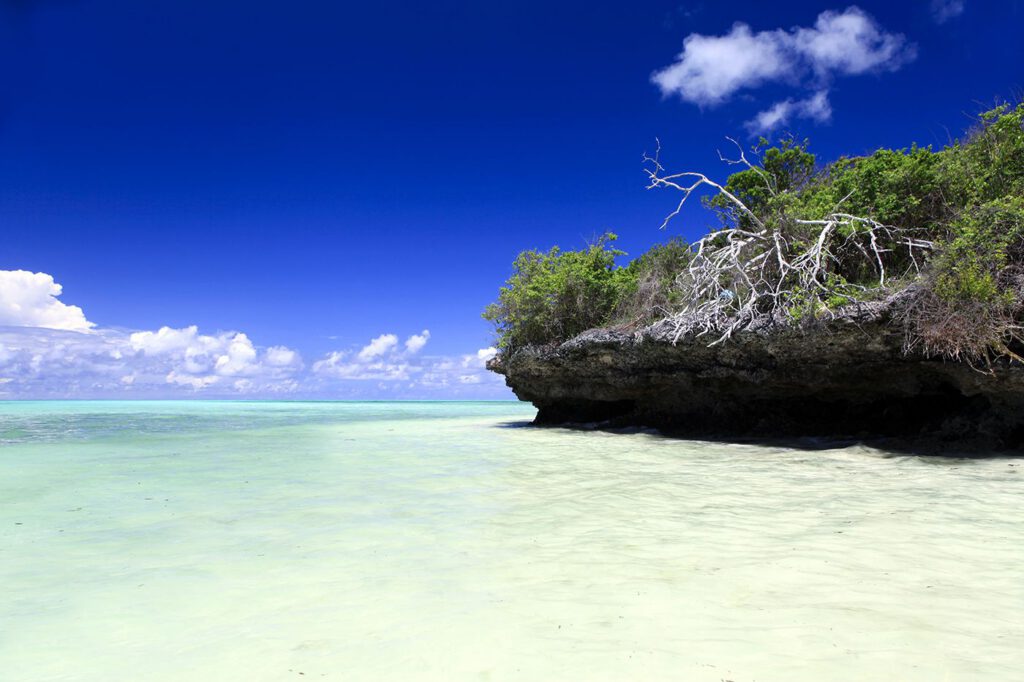
How long to stay in Zanzibar, with simple 3, 5, 7 and 10-day plans, plus how to fit in a safari on the mainland.
Read the guide
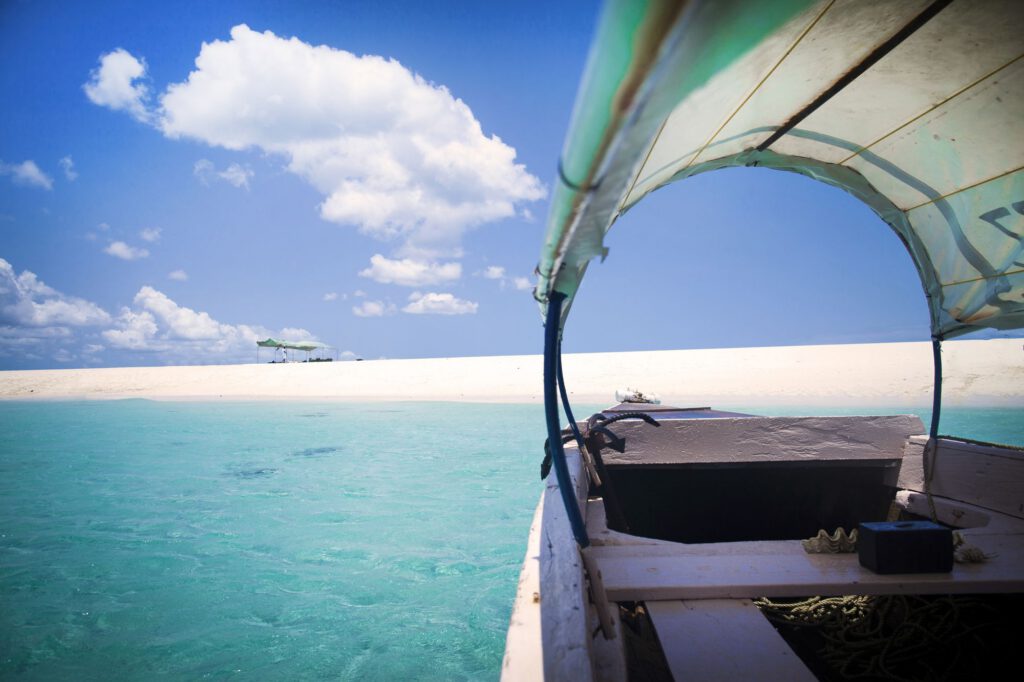
Travel information
Water, plugs, money, ATMs, SIM cards, tipping, alcohol, dress, safety and where to stay: straight answers to the 20 questions first-time visitors ask us most.
Read the guide
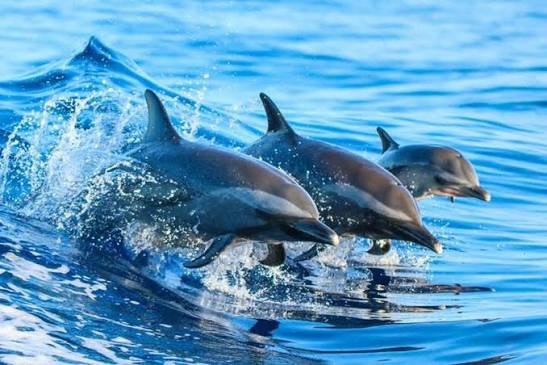
Sea & Islands
Look for wild dolphins off Mnemba Atoll, then snorkel clear reefs with turtles and shoals of fish.
View details
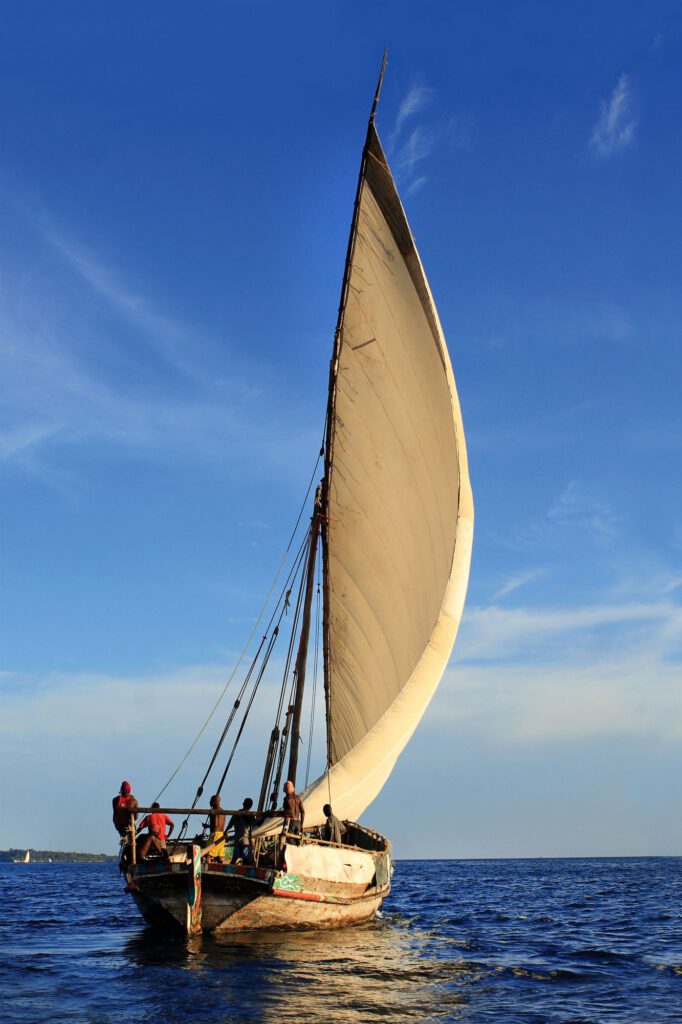
Sea & Islands
A day under sail in Menai Bay: sandbank, reef snorkelling, seafood on Kwale Island and a lagoon swim.
View details
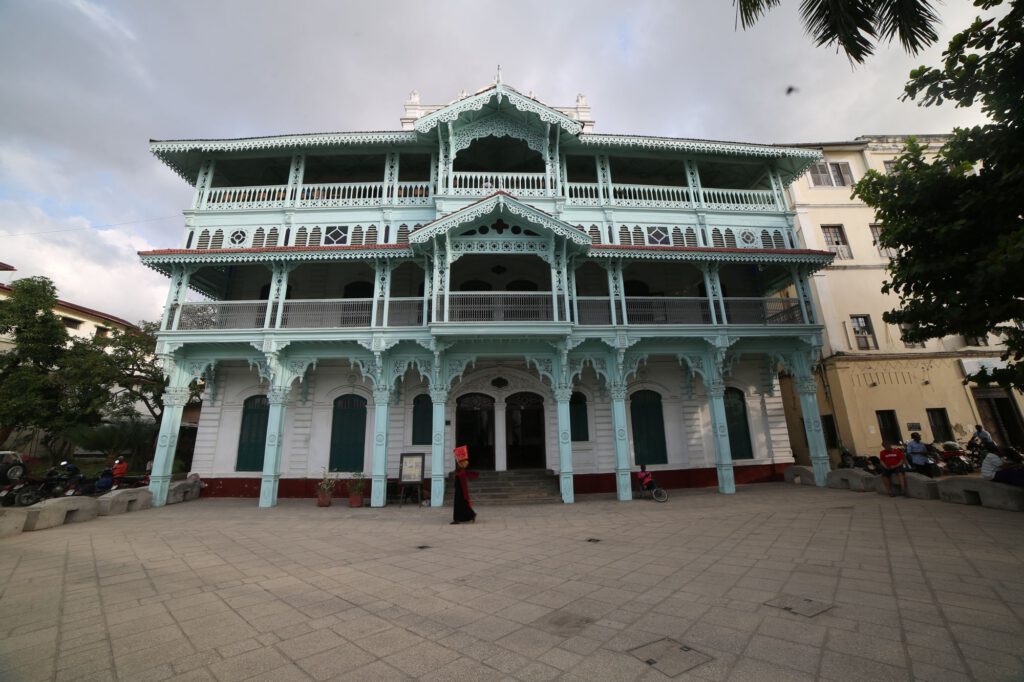
Stone Town, Culture & Spice
Walk Zanzibar's UNESCO-listed old town with a local guide: market, carved doors, Old Fort and slave market site.
View details