
Travel information
Best time to visit Zanzibar
Dry seasons, rainy months, winds, tides and festivals: a month-by-month guide to choosing when to visit Zanzibar, from our Stone Town office.
Read the guide
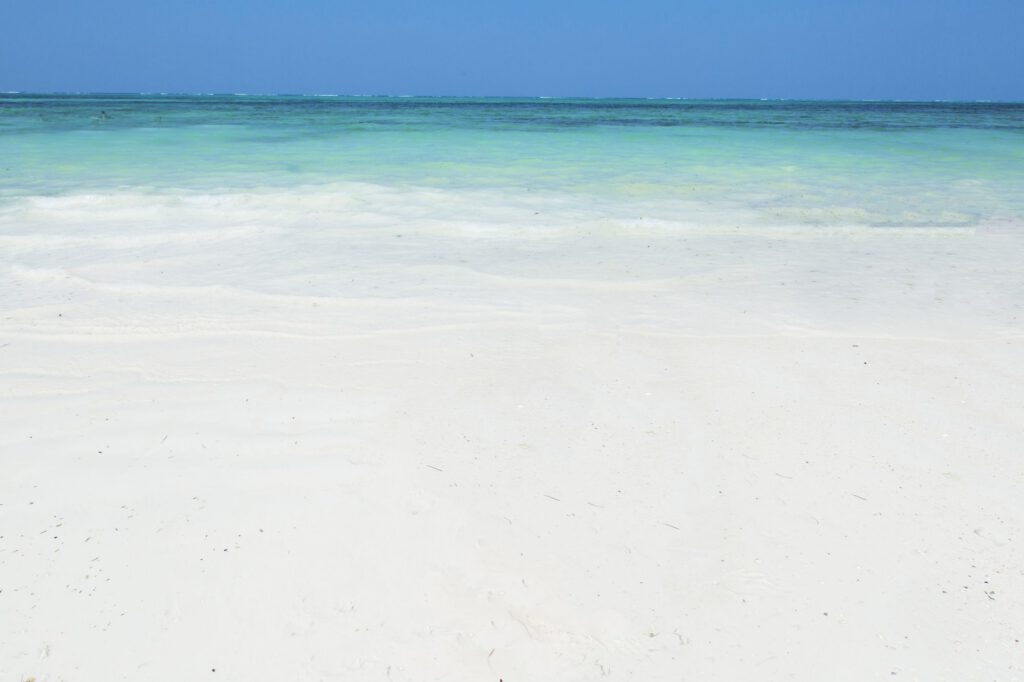
Why the sea disappears on Zanzibar's east coast, which beaches you can swim from at low tide, and how monsoon winds shape your holiday.
The short answer
Zanzibar has two high and two low tides a day, each about 50 minutes later than the day before. On the east coast around Paje, the sea can retreat more than a kilometre at low spring tide, so you swim around high tide. In Nungwi and Kendwa you can swim at most states of the tide.
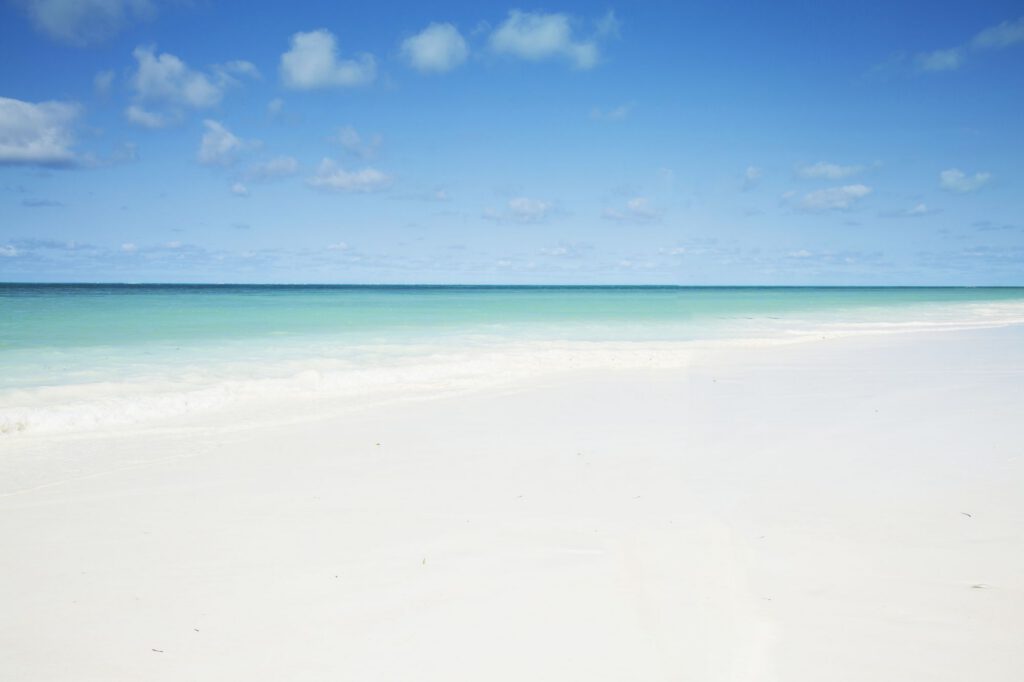
Every season someone emails us from a beach hotel on the east coast, slightly alarmed: the sea has gone. It has not, of course. It has simply gone out, sometimes more than a kilometre, leaving behind a shimmering flat of white sand, seagrass and warm pools full of starfish. A few hours later it comes back over the same ground and the lagoon is deep enough to swim again.
Zanzibar has semi-diurnal tides: two highs and two lows roughly every 24 hours and 50 minutes, so each high tide is about 50 minutes later than the day before. On the shallow, reef-protected east coast that rhythm shapes the whole day. Understanding it is the difference between a frustrating holiday and a very good one.
The size of the tide follows the moon. Around full moon and new moon you get spring tides, with the greatest range: the highest highs and the lowest lows, when the sea retreats furthest. On spring tides the difference between high and low water can be around four metres. Around the half moons come neap tides, when the range is smaller and the water on the east coast never goes out quite so far.
Because the tide comes about 50 minutes later each day, the time of low water drifts steadily through your stay: one week the lagoon may be empty at lunchtime, the next it may be full. Tide tables are easy to find online and every good beach hotel posts them at reception, so check them each evening and plan your swims and walks for the following day.
Not every part of the island behaves the same way:
Low tide is not wasted time. Walk out with a local guide to the reef edge, where the waves break. Watch the women tend their seaweed farms, rows of sticks and lines that are an important source of income in villages such as Paje and Jambiani. Look for sea stars, sea cucumbers and small fish trapped in pools. Wear reef shoes; there are sea urchins, and the coral sand is sharp in places.
If you have children, low tide on the east coast turns into a vast natural playground. Just keep an eye on the time: the incoming tide can come in quickly across the flats, so do not wander too far out as it turns.
Our boat trips are timed to the tide tables rather than to the clock. Nakupenda sandbank is at its best around low tide, when the sand is widest; Safari Blue lunches on Kwale island and visits the lagoon when there is water enough to float the dhow. Mnemba trips from the north-east leave earlier or later depending on the depth over the reef at the departure beach. The Rock restaurant near Michamvi sits on the sand at low tide and in the sea at high tide; if you want to see it both ways, arrive around low tide and stay as the water comes in.
This means that departure times can move by an hour or more day to day. We confirm the exact pick-up time the evening before.
Daytime temperatures in Zanzibar vary only from about 26°C to 32°C. The hottest months are December to March; June to September are the coolest and freshest. The sea is warm all year, around 25–29°C.
Rain comes in two seasons. The long rains, masika, fall from late March to May; April and May are the wettest months, with heavy downpours several times a week. The short rains, vuli, arrive in November and sometimes early December, usually as short afternoon storms. Even in the wet months there are long sunny spells, and humidity is high whatever the season.
For centuries the monsoon winds carried trading dhows between Zanzibar, Arabia and India, and they still shape island life. The kusi, from the south-east, blows from roughly June to September. It keeps temperatures pleasant, but makes the east coast breezy and the sea choppy, so it is the prime season for kitesurfing at Paje and less ideal for flat-water swimming there.
The kaskazi, from the north-east, blows more gently from December to February. Seas are calm, visibility for snorkelling is at its best, and the beaches of the north and east are still and hot. Between the monsoons, around March and again in October and November, the wind can drop almost completely.
If swimming at any time of day matters most, stay in Nungwi or Kendwa, or split your stay between the north and the east coast. If you love long walks, quiet lagoons and the feel of village life, the east coast is wonderful, as long as you plan your swims around the tide. And check the moon phase before you book: a full-moon week gives you the most dramatic low tides and, at Kendwa, the monthly full-moon party. Tell us your dates and where you are staying, and we will time your boat trips to the tides for that week.
Not at low spring tide, around full and new moon, when the sea can retreat more than a kilometre and the lagoon is ankle-deep. At high tide and on neap tides, swimming in the lagoon is lovely. Check the tide table at your hotel.
Nungwi and Kendwa in the north have much deeper water close to shore, so you can swim at most states of the tide. That reliability is why the north is so popular in high season.
On spring tides, around full and new moon, the difference between high and low water can be around four metres, which on the flat east coast moves the waterline a very long way. On neap tides, around the half moons, the range is much smaller.
Yes. Nakupenda sandbank, Safari Blue, Mnemba and The Rock restaurant are all planned around the tides, so departure times can move by an hour or more from day to day. We confirm your pick-up time the evening before.
There are two. The long rains, masika, fall from late March to May, with April and May the wettest months. The short rains, vuli, come in November and sometimes early December, usually as short afternoon storms. Even then there are long sunny spells.
Travel information
Dry seasons, rainy months, winds, tides and festivals: a month-by-month guide to choosing when to visit Zanzibar, from our Stone Town office.
Read the guide
Travel information
How long to stay in Zanzibar, with simple 3, 5, 7 and 10-day plans, plus how to fit in a safari on the mainland.
Read the guide
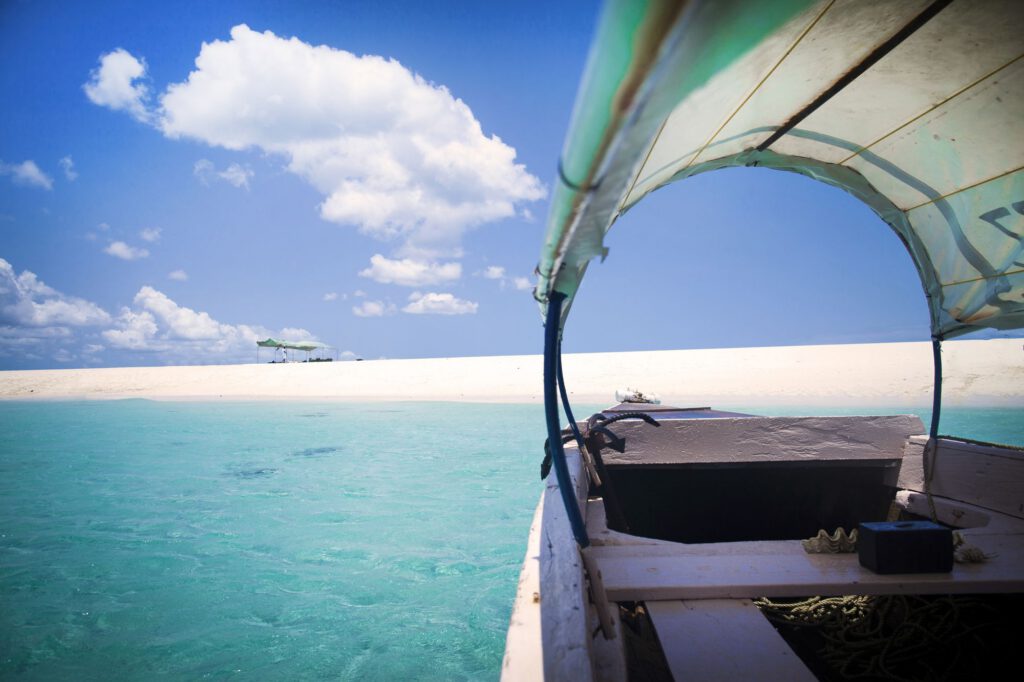
Travel information
Water, plugs, money, ATMs, SIM cards, tipping, alcohol, dress, safety and where to stay: straight answers to the 20 questions first-time visitors ask us most.
Read the guide
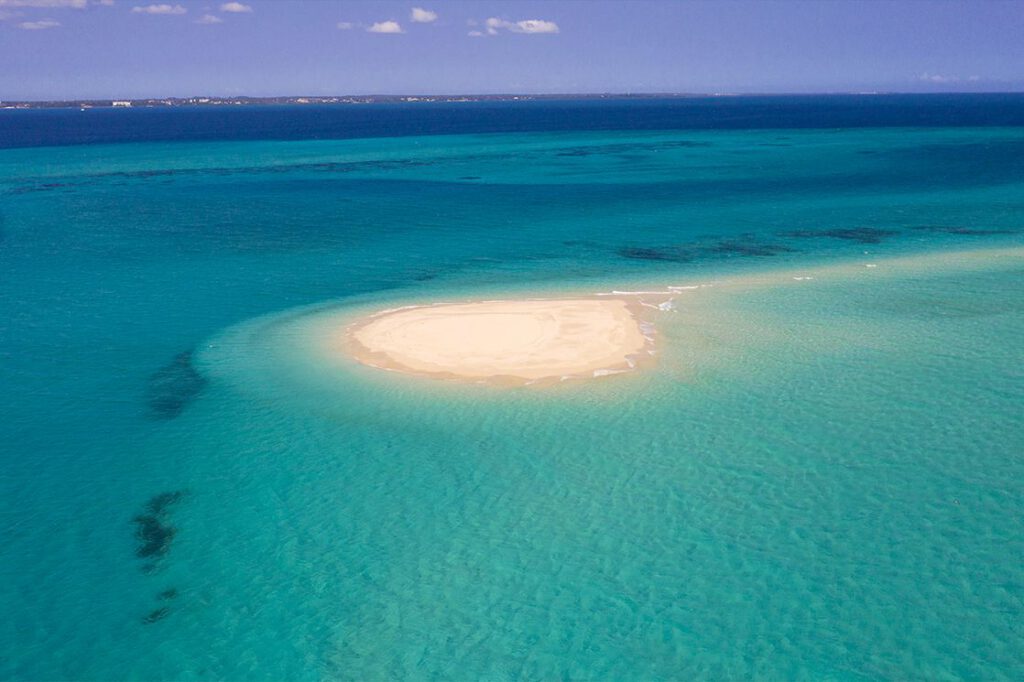
Sea & Islands
A strip of white sand off Stone Town for swimming, snorkelling and a seafood lunch on the beach.
View details
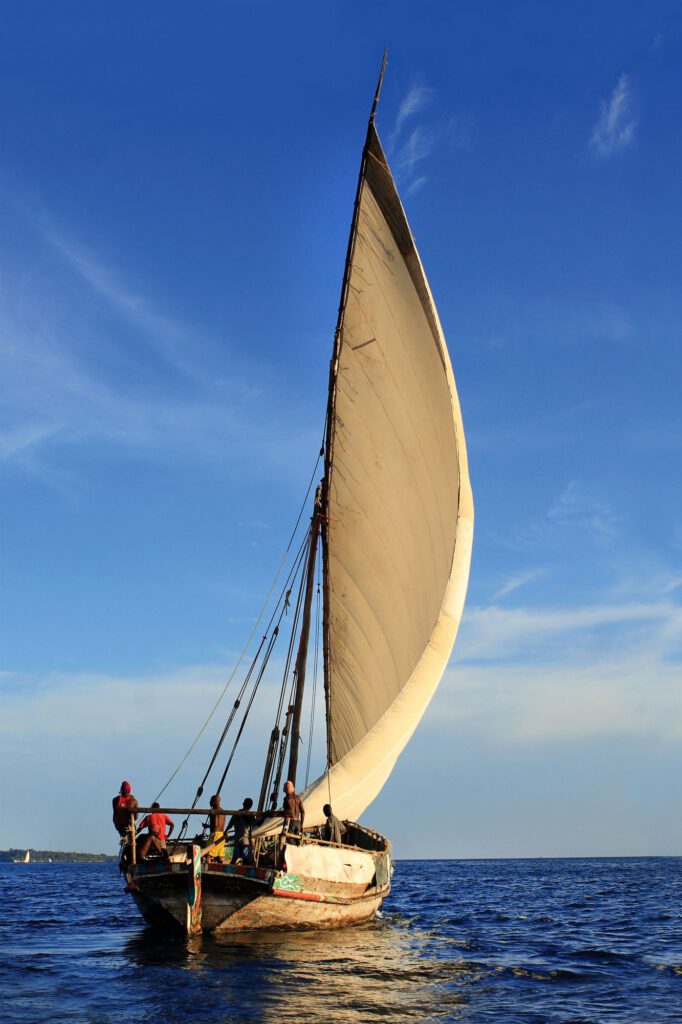
Sea & Islands
A day under sail in Menai Bay: sandbank, reef snorkelling, seafood on Kwale Island and a lagoon swim.
View details
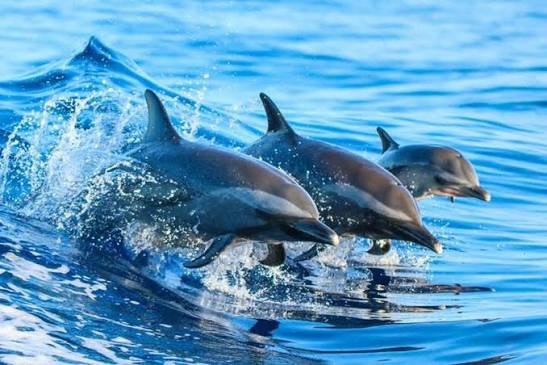
Sea & Islands
Look for wild dolphins off Mnemba Atoll, then snorkel clear reefs with turtles and shoals of fish.
View details