
Travel information
How many days in Zanzibar?
How long to stay in Zanzibar, with simple 3, 5, 7 and 10-day plans, plus how to fit in a safari on the mainland.
Read the guide
Water, plugs, money, ATMs, SIM cards, tipping, alcohol, dress, safety and where to stay: straight answers to the 20 questions first-time visitors ask us most.

The short answer
For a first trip to Zanzibar: get a visa and the mandatory Zanzibar inbound travel insurance before you fly, drink bottled water, pack a Type G plug adapter, carry some cash as well as cards, dress modestly away from the beach, and split your stay between Stone Town and a beach on the north or east coast.
1. Do I need a visa? Most visitors do. Zanzibar is part of Tanzania, so Tanzanian visa rules apply. Apply for the e-visa on the official government immigration website well before you travel, and check whether your nationality is exempt.
2. Is travel insurance compulsory? Yes. Every visitor to Zanzibar must buy the government's inbound travel insurance on the official portal before arrival. It is separate from your own travel insurance, which you should still have, and it is never included in tour or hotel prices. Our visa and insurance guide explains the steps.
3. Do I need a yellow fever certificate? Only in certain cases. A certificate is generally required if you are arriving from, or have transited through, a country with a risk of yellow fever, and that includes mainland neighbours such as Kenya. Rules change, so check with your airline and a travel clinic before you go.
4. Is there malaria in Zanzibar? Yes, although the risk is lower than on much of the mainland. Speak to a doctor or travel clinic about antimalarial tablets several weeks before you travel, and use repellent and long sleeves in the evening.
5. Can you drink the tap water? No. Drink bottled or filtered water, and use it for brushing your teeth if you have a sensitive stomach. Many hotels offer refill stations, which saves on plastic. Ice in hotels and good restaurants is generally made from treated water.
6. What plugs does Zanzibar use? Mostly the British three-pin Type G socket at 230 volts, with some older round-pin sockets. A universal adapter covers both. Power cuts happen, so bring a power bank for long excursion days.
7. What currency is used in Zanzibar? The local currency is the Tanzanian shilling, used in markets, local cafés and taxis. US dollars are widely accepted for hotels, excursions and visas, but notes must be clean and recent; older or torn notes are often refused.
8. Are there ATMs, and can I pay by card? There are ATMs in Stone Town and in some larger beach villages such as Nungwi and Paje, but they can run out of cash or be out of order, so do not rely on a single machine. Bigger hotels and some restaurants take cards, sometimes with a surcharge. Small shops, markets and taxis are cash only.
9. Is there wifi, and should I get a local SIM? Most hotels have wifi, though it can be slow in remote areas. A local SIM or eSIM gives you cheap, reliable mobile data across most of the island. You need your passport to register a SIM, and shops at the airport and in Stone Town can set it up for you.
10. What language do people speak? Swahili, or Kiswahili, is the everyday language. English is spoken in hotels, restaurants and tourism, and our guides speak it fluently. A few words go a long way: jambo or mambo (hello), asante (thank you), karibu (welcome) and pole pole (slowly).
11. Tipping is not obligatory, but it is customary and appreciated, because wages in tourism are modest. Guides, drivers, boat crews and hotel staff are commonly tipped at the end of a tour or stay, ideally in an envelope or handed over quietly with thanks. In local restaurants, rounding up is fine. Our money and tipping guide has more context.
12. Is Zanzibar Muslim? Yes. The great majority of Zanzibaris are Muslim, and the call to prayer is part of daily life. Visitors are warmly welcomed. Swimwear is fine on the beach and at your hotel, but in Stone Town and villages cover shoulders and knees. During Ramadan, avoid eating or drinking in public in daylight.
13. Can I drink alcohol? Yes, in hotels, beach bars and licensed restaurants. It is not sold everywhere, and drinking in the street or walking around Stone Town with a drink is disrespectful. Some bars close or stop serving during Ramadan.
14. Is Zanzibar safe for LGBTQ+ travellers? We want to be honest. Same-sex relationships are illegal in Tanzania, including Zanzibar, and attitudes are conservative. Problems for visitors are uncommon, and international hotels are used to all kinds of guests, but public displays of affection are best avoided by every couple. Read your own government's travel advice before booking.
15. Is Zanzibar safe? Generally, yes, and most visits pass without any trouble. Take normal precautions: use hotel safes, avoid walking alone on dark beaches or empty Stone Town lanes late at night, and be polite but firm with beach sellers. Agree any price before you accept a service.
16. How do I get around? Pre-booked transfers and taxis are the easiest way. Local minibuses called dala dala are cheap but slow and crowded. If you want to drive, we organise car rental; traffic drives on the left, and you need a local Zanzibar driving permit alongside your licence, which we can help you arrange. Roads are busy, so drive slowly through villages.
17. Where is the best area to stay for a first visit? Split your stay. Spend two nights in Stone Town for history, food and excursions, then move to the beach. Nungwi and Kendwa in the north have the least tidal change and easiest swimming; Paje, Jambiani and Matemwe on the east coast are quieter, with dramatic low tides and good kitesurfing at Paje. Our Nungwi vs Paje guide compares them.
18. How many days do I need? Five to seven days lets you see Stone Town, do two or three excursions and still have lazy beach days. Less than four feels rushed.
19. When is the best time to visit? The driest months are roughly June to October and mid-December to February. The long rains, usually around April and May, bring heavy showers, and some beach hotels close. The short rains around November are lighter.
20. Can I go on safari from Zanzibar? Yes. We organise safaris to mainland Tanzania, from short fly-in trips to Nyerere National Park (formerly the Selous) to longer journeys to the Serengeti and Ngorongoro. Ask us and we will match the trip to your time.
No. Tap water in Zanzibar is not safe to drink for visitors. Use bottled or filtered water for drinking and, if you have a sensitive stomach, for brushing your teeth. Many hotels offer refill stations so you can avoid buying lots of plastic bottles.
Zanzibar mostly uses the British-style Type G three-pin plug at 230 volts, though some older buildings have round-pin sockets. A universal travel adapter is the simplest solution. Visitors from the UK usually need no adapter at all.
Both are useful. US dollars are widely accepted for hotels and excursions, as long as notes are clean and recent. Tanzanian shillings are better for markets, local cafés, taxis and small purchases. ATMs in Stone Town dispense local currency.
Zanzibar is a semi-autonomous part of Tanzania, and the great majority of its people are Muslim. Visitors of all faiths are welcome. Dress modestly away from the beach, be discreet with alcohol and take particular care to be respectful during Ramadan.
You generally need a yellow fever certificate only if you are arriving from, or transiting through, a country with yellow fever risk, such as Kenya. Requirements can change, so confirm the current rules with your airline and a travel clinic before departure.
Yes. It is easy to reach, English is widely spoken in tourism, distances are short and the mix of history, beaches and sea trips suits most travellers. Many visitors combine it with a mainland Tanzania safari for a classic first Africa holiday.
Travel information
How long to stay in Zanzibar, with simple 3, 5, 7 and 10-day plans, plus how to fit in a safari on the mainland.
Read the guide
Travel information
What to pack for Zanzibar: modest clothes for Stone Town, reef shoes for the tides, reef-safe sun cream and the documents you must not forget.
Read the guide
Travel information
Dry seasons, rainy months, winds, tides and festivals: a month-by-month guide to choosing when to visit Zanzibar, from our Stone Town office.
Read the guide
Transfers & Car Rental
Private meet-and-greet transfers from Zanzibar airport and ferry port to Stone Town and every beach.
View details
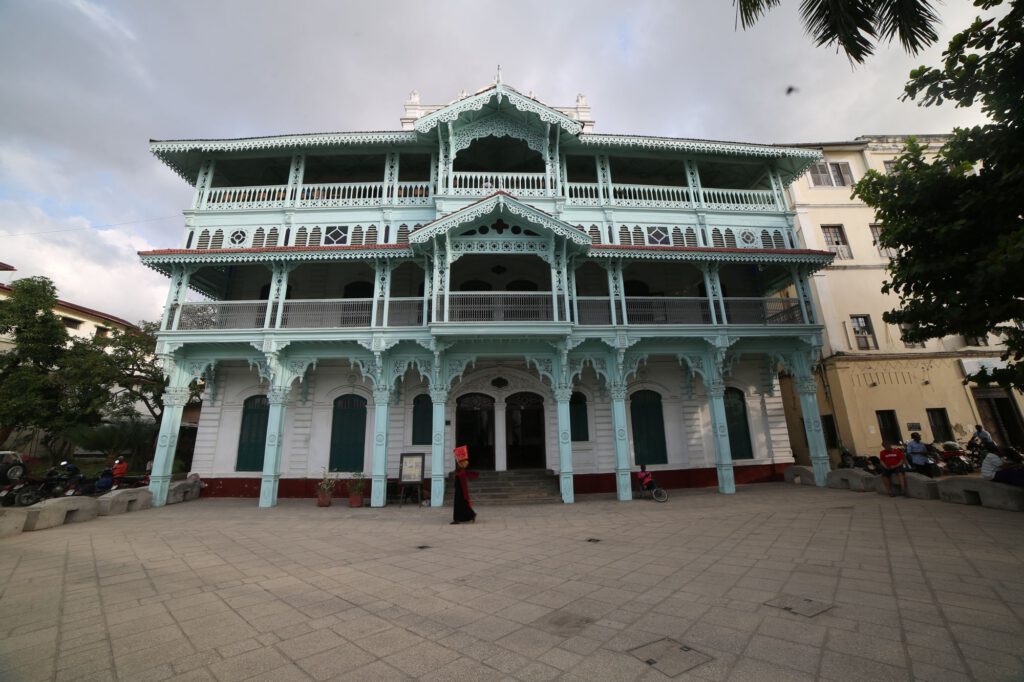
Stone Town, Culture & Spice
Walk Zanzibar's UNESCO-listed old town with a local guide: market, carved doors, Old Fort and slave market site.
View details

Stone Town, Culture & Spice
Smell and taste cloves, nutmeg, vanilla and cinnamon on a working spice farm outside Stone Town.
View details