
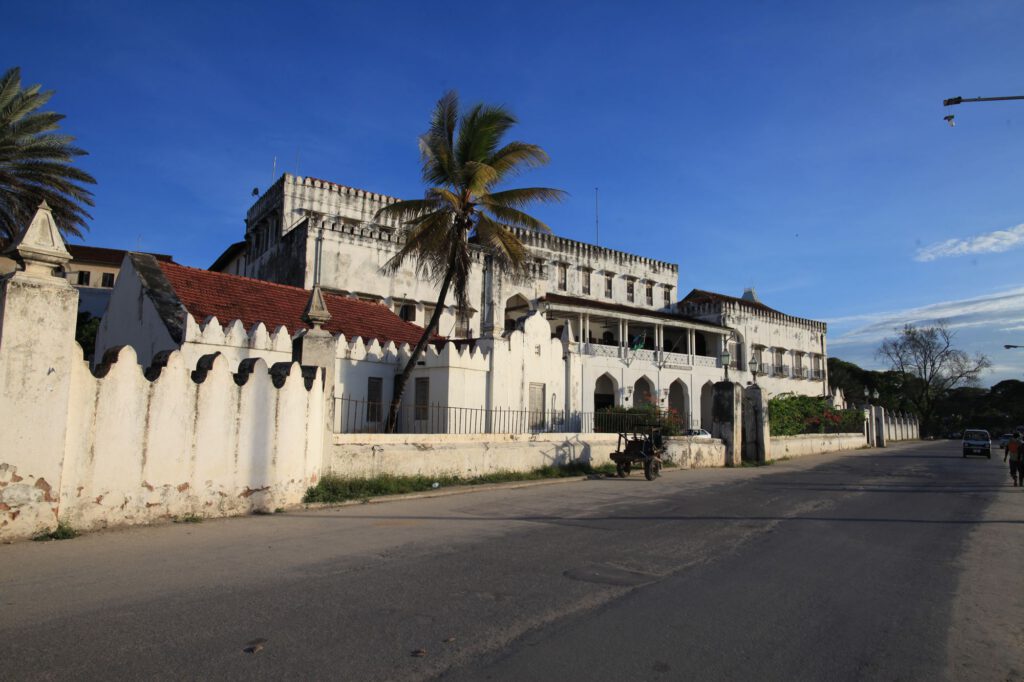
Travel information
Getting to & around Zanzibar
How to reach Zanzibar by air or ferry, how long the drives take, and the honest pros and cons of taxis, dala-dalas, hire cars and private transfers.
Read the guide
Shillings or dollars, ATMs and card fees, how much to tip guides and crews, and sensible safety tips for Stone Town and the beaches.

The short answer
Bring some clean US dollar notes printed in 2009 or later, and use Tanzanian shillings for markets, taxis and local restaurants. ATMs are reliable in Stone Town and at the airport. Tipping is customary but not compulsory. Zanzibar is generally safe: use your hotel safe, avoid isolated beaches at night and book trips with licensed operators.
The local currency is the Tanzanian shilling (TZS). In practice Zanzibar runs on two currencies: hotels, safaris and many excursions are priced in US dollars, while markets, taxis, local restaurants, dala-dalas and small shops work in shillings. You will generally get a better deal paying in shillings for everyday things.
If you bring dollars, bring recent notes, as a rule of thumb printed in 2009 or later, clean and untorn. Older and damaged notes are frequently refused or exchanged at a poor rate, and larger notes get better rates than small ones at bureaux de change. Euros and pounds can be exchanged in Stone Town, but less easily elsewhere.
There are reliable ATMs in Stone Town and at the airport, and a handful in Nungwi, Paje and other larger villages, though these can run out of cash at weekends. Withdrawal limits per transaction are fairly low, and your bank may add its own fee. It is sensible to arrive with some dollars and withdraw shillings in Stone Town before heading to the beach.
Larger hotels and some restaurants accept Visa and Mastercard, often with a card surcharge. Smaller places and market stalls are cash only. Tell your bank you are travelling, carry two different cards if you can, and keep one in your hotel safe.
Tipping is not compulsory in Zanzibar, but it is customary in tourism, and for many guides, drivers and boat crews it is a meaningful part of their income. Tip for good service, in cash, and hand it directly to the person or crew you want to thank. These are the customs guests ask us about, not rules:
When you compare excursions, ask exactly what is included: lunch, drinks, entrance fees and transfers vary from one operator to the next. Marine conservation fees at Mnemba and in Menai Bay are normally payable on the day unless stated. The mandatory inbound travel insurance is separate from any tour; each traveller buys it online before arrival, as our visa and insurance guide explains.
Zanzibar is generally a safe and friendly place to visit, and the great majority of trips pass without any problem. As anywhere popular with tourists, petty crime happens, mostly bag snatching and pickpocketing in crowded places or on empty beaches after dark. Serious crime against visitors is rare. Ordinary common sense covers almost everything.
The habits we suggest to our own guests:
Most people you meet are simply friendly, but a few stories repeat. A 'free' guide in Stone Town who later demands payment; a beach seller offering a cheap Mnemba trip that turns out to be a crowded boat without a conservation permit; money changers on the street offering rates that are too good to be true. Change money only at banks and licensed bureaux, agree prices in advance and be wary of unsolicited help with your luggage at the port.
If something goes wrong during a trip with us, call our Stone Town office on +255 777 474 344 (calls and WhatsApp). We are a family business that has worked on this island since 1990, and we will do our best to sort it out.
Yes, some dollars are useful, as hotels, safaris and many excursions are priced in them. Bring clean, untorn notes printed in 2009 or later; older or damaged notes are often refused or exchanged at a poor rate. Use shillings for everyday spending.
There is no fixed amount. Tipping is optional but customary, and an important part of many guides' income. Hand it over in cash at the end of the day, directly to the guide, with a little more for a full day or exceptional service.
Yes, generally. Serious crime against visitors is rare; petty theft such as bag snatching happens in crowded places or on empty beaches after dark. Use your hotel safe, avoid isolated beaches at night and book trips with licensed operators.
Larger hotels and some restaurants accept Visa and Mastercard, often with a surcharge. Markets, taxis, dala-dalas and small shops are cash only, so carry shillings. Bring two different cards if you can and keep one in your hotel safe.
Yes, a handful, but they can run out of cash at weekends and withdrawal limits are fairly low. It is sensible to withdraw shillings at the reliable ATMs in Stone Town or the airport before heading to the beach.
Travel information
How to reach Zanzibar by air or ferry, how long the drives take, and the honest pros and cons of taxis, dala-dalas, hire cars and private transfers.
Read the guide
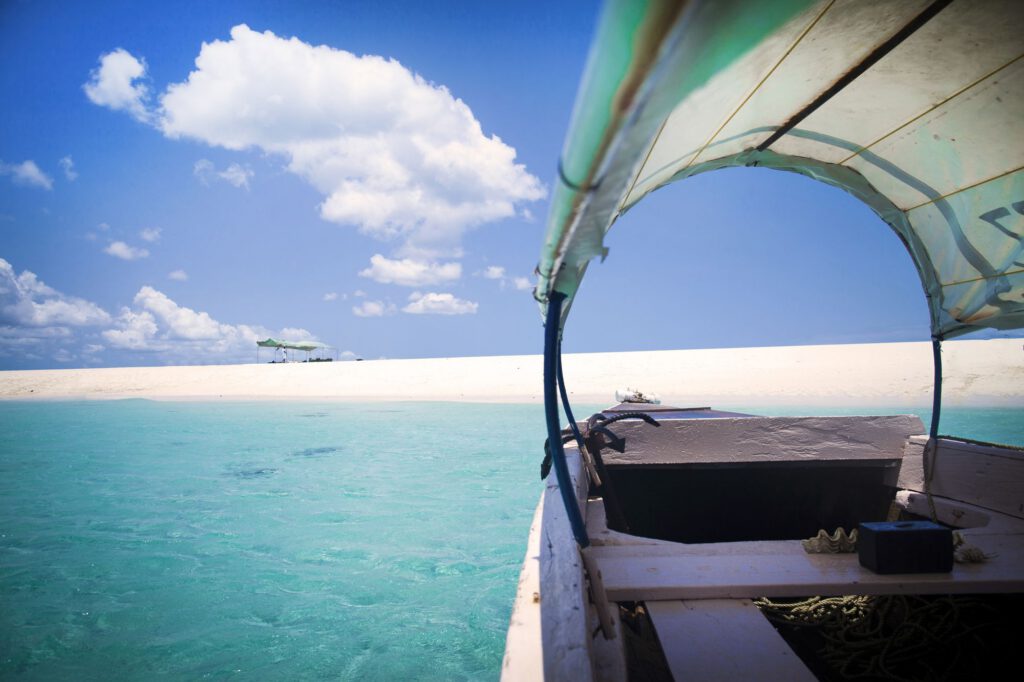
Travel information
E-visas, the compulsory inbound travel insurance, passports and yellow fever rules for Zanzibar and mainland Tanzania, explained simply.
Read the guide
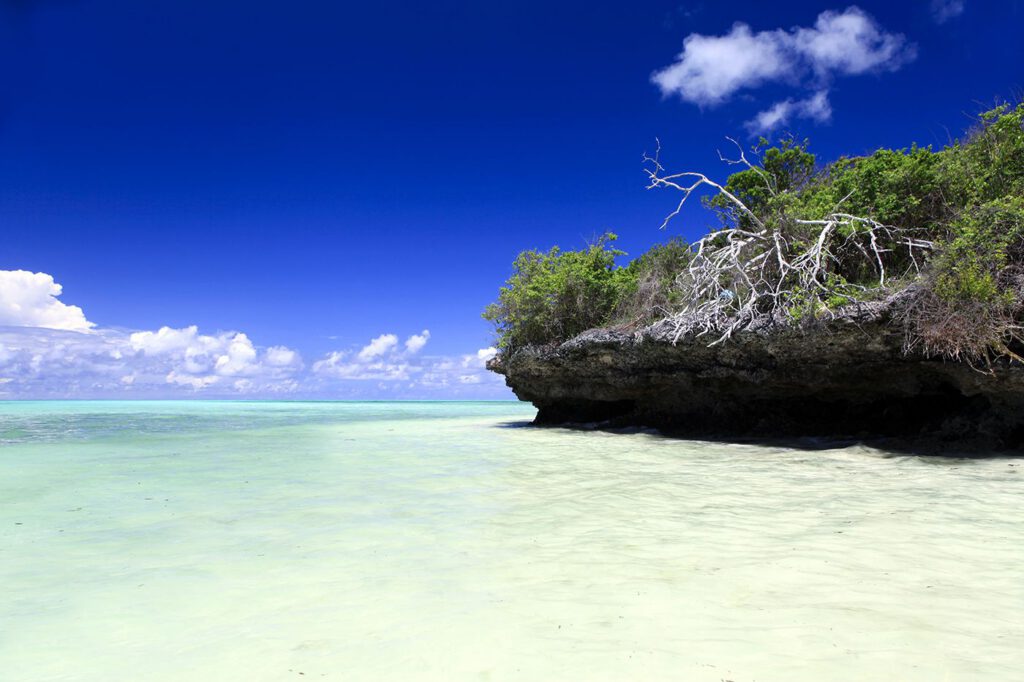
Travel information
How long to stay in Zanzibar, with simple 3, 5, 7 and 10-day plans, plus how to fit in a safari on the mainland.
Read the guide

Stone Town, Culture & Spice
Walk Zanzibar's UNESCO-listed old town with a local guide: market, carved doors, Old Fort and slave market site.
View details
Transfers & Car Rental
Private meet-and-greet transfers from Zanzibar airport and ferry port to Stone Town and every beach.
View details

Sea & Islands
A day under sail in Menai Bay: sandbank, reef snorkelling, seafood on Kwale Island and a lagoon swim.
View details