
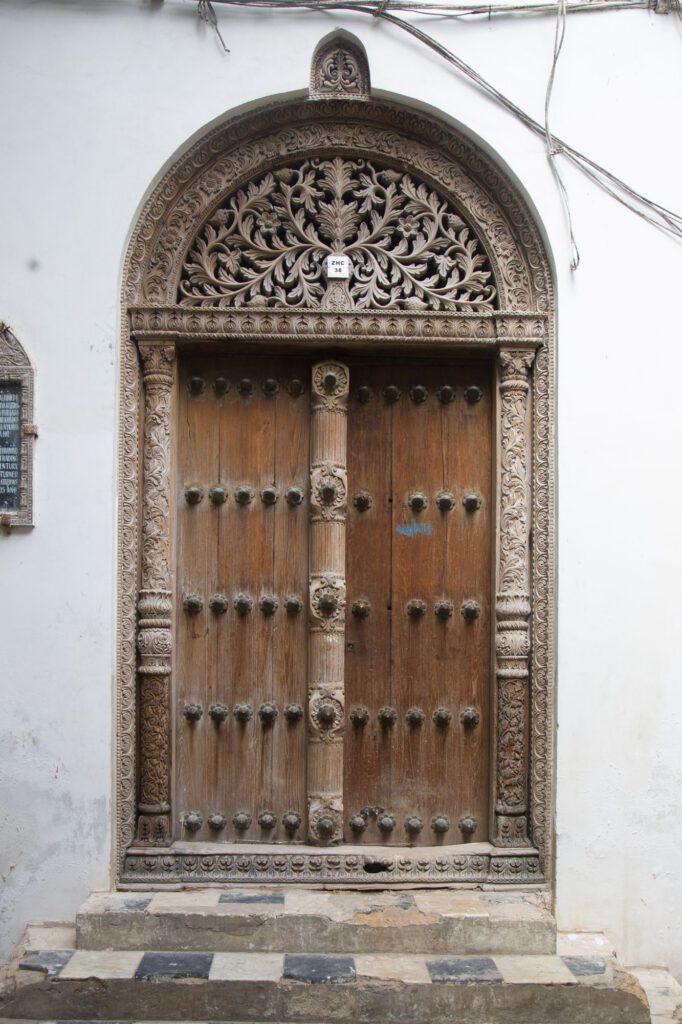
Travel information
Culture & etiquette
How to dress, greet people in Swahili, take photos respectfully and travel during Ramadan in Zanzibar, from a Stone Town family business.
Read the guide
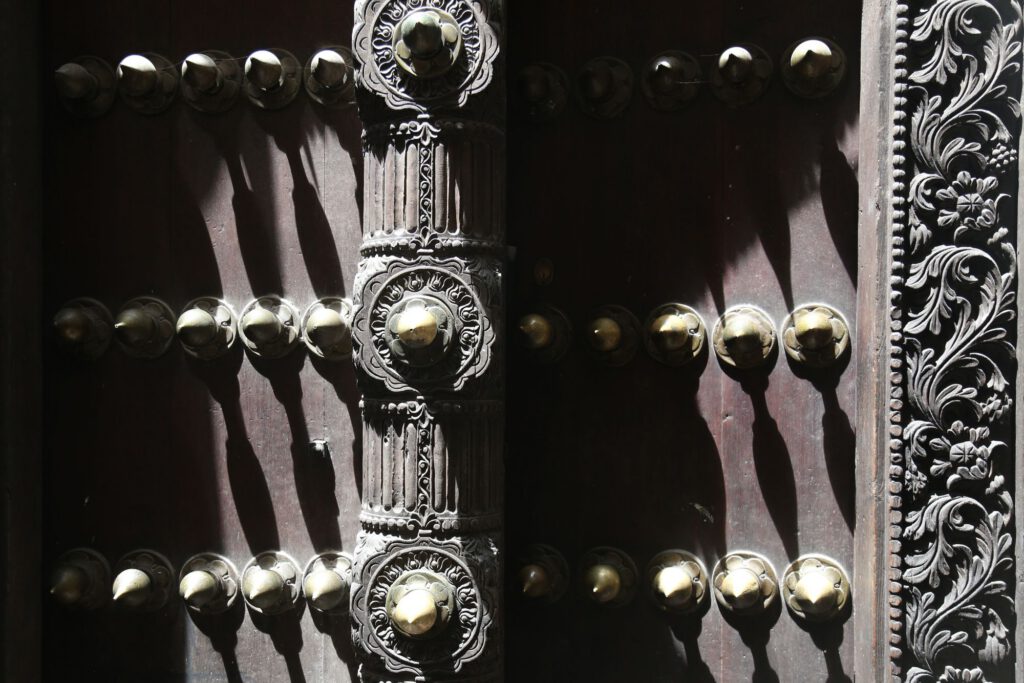
What really changes in Zanzibar during Ramadan: eating in public, restaurants, alcohol, dress, excursions, evenings after iftar and the Eid celebrations.

The short answer
Yes, you can visit Zanzibar during Ramadan. Beach hotels and resorts carry on almost as normal, but in Stone Town and villages many local cafés close by day, and visitors should not eat, drink or smoke in public in daylight. Dress more modestly, expect a slower pace, and enjoy the lively evenings after sunset.
Ramadan is the ninth month of the Islamic lunar calendar, so it moves about 11 days earlier each year against the calendar most visitors use. It lasts 29 or 30 days, and both the start and the end are confirmed only when the new moon is sighted, so dates can shift by a day at short notice.
In the next few years it falls in the hot season, around January to March. Check a reliable Islamic calendar when you book, and ask us if you are unsure whether your dates overlap.
The great majority of Zanzibaris are Muslim, and most adults fast from dawn to sunset: no food, no water, no smoking. The rhythm of the island changes with them. Mornings start slowly, the afternoon heat is quiet and drowsy, and everything comes back to life at sunset.
Some shops in Stone Town close for part of the day, offices keep shorter hours and people are understandably tired by late afternoon. Our drivers and guides work as normal, but we try to plan longer drives earlier in the day.
At night you will notice the extra Ramadan prayers, called taraweeh, with mosques full and recitation drifting through the lanes well after dark. If you are staying in Stone Town, a room away from a mosque loudspeaker is worth asking for if you are a light sleeper. Flights, ferries and airport transfers run as normal throughout the month.
Nobody expects visitors to fast. You can eat and drink freely at your hotel, on boat trips and in restaurants that stay open. What you should avoid is eating, drinking or smoking in the street, in markets or on public beaches near villages in daylight. It is seen as disrespectful to people who are fasting around you, and local authorities remind visitors of this every year.
In practice it is simple. Keep a bottle of water in your bag and drink discreetly in a vehicle or indoors. On our excursions, lunch is served on the boat, at the farm or in a restaurant, so you will not go hungry.
Beach resorts in Nungwi, Kendwa, Paje and Matemwe carry on almost as usual, including their bars. In Stone Town the picture is mixed. Many local cafés close until sunset, while hotel restaurants and some tourist restaurants stay open, often with screened windows or indoor seating.
Alcohol is still served in most hotels, but some independent bars and restaurants stop serving it for the month or close altogether. Live music and parties are much quieter. If a cold beer at a beach bar matters to your holiday, the north and east coast resorts are the safer choice.
Modest dress matters more than usual this month. Away from the beach and your hotel, both men and women should cover shoulders and knees with loose, light clothing. Swimwear belongs on the beach or the boat only.
Women do not need to cover their hair, except when entering a mosque, but a light scarf is useful. Men should avoid going shirtless anywhere off the beach. Our packing list has practical ideas.
Yes. Our Stone Town walks, spice tours, Prison Island trips, Safari Blue and dolphin trips all run during Ramadan, and so do our safaris to mainland Tanzania. Some small things change:
This is the best part of Ramadan in Zanzibar. As the call to prayer marks sunset, the fast is broken with dates, water and something sweet, then families sit down to iftar: spiced porridge, cassava cooked in coconut, mandazi, samosas, fruit juice and much more.
After that, Stone Town is busier than at almost any other time of year. Forodhani Gardens fills with food stalls and families, children play late in the squares, and the lanes are full of people visiting friends. It is warm, friendly and very local. Dress modestly and you will be made welcome.
Ramadan ends with Eid al-Fitr, called Sikukuu in Swahili, a public holiday of several days. Families dress in new clothes, children get small gifts and there are fairground rides, music and visiting. Beaches near Stone Town and the east coast fill with local families.
Expect some offices and shops to close, and boats and transport to be busier than normal. Book transfers and popular excursions ahead if your trip falls over Eid.
For many travellers, yes. Hotels can be quieter, and you see a side of island life most visitors miss. The downsides are real but manageable: fewer daytime cafés in Stone Town, a quieter nightlife and some bars closed.
If you want a beach holiday with lively evenings, stay on the north or east coast. If you are curious about culture, spend a couple of nights in Stone Town. Either way, a little respect goes a long way. Ask us and we will help you plan around it.
Yes. Visitors are not expected to fast. Eat and drink at your hotel, on excursions and in restaurants that stay open, but avoid eating, drinking or smoking in streets, markets and public places in daylight, out of respect for those fasting.
Most hotels and beach resorts continue to serve alcohol to guests. Some independent bars and restaurants, especially in Stone Town, stop serving it or close for the month. Drinking in public places is not appropriate at any time.
Yes, particularly in the evening. Daytime is quieter and some cafés close, but after sunset the lanes and Forodhani Gardens come alive with food and families. Take a morning walking tour and save the evening for the market.
Ramadan lasts 29 or 30 days, depending on the sighting of the new moon. It moves about 11 days earlier each year, and it is followed by Eid al-Fitr, a public holiday celebrated over several days in Zanzibar.
Very little. Resorts in Nungwi, Kendwa, Paje and Matemwe serve meals and drinks through the day as normal. Some staff will be fasting, so service may feel a little slower in the late afternoon, and evening entertainment may be lower-key.
Away from the beach, wear loose clothes that cover the shoulders and knees, with a light scarf handy. You do not need to cover your hair unless entering a mosque. Swimwear is fine on the beach, at your hotel and on boats.
Travel information
How to dress, greet people in Swahili, take photos respectfully and travel during Ramadan in Zanzibar, from a Stone Town family business.
Read the guide
Travel information
How long to stay in Zanzibar, with simple 3, 5, 7 and 10-day plans, plus how to fit in a safari on the mainland.
Read the guide
Travel information
Dry seasons, rainy months, winds, tides and festivals: a month-by-month guide to choosing when to visit Zanzibar, from our Stone Town office.
Read the guide
Stone Town, Culture & Spice
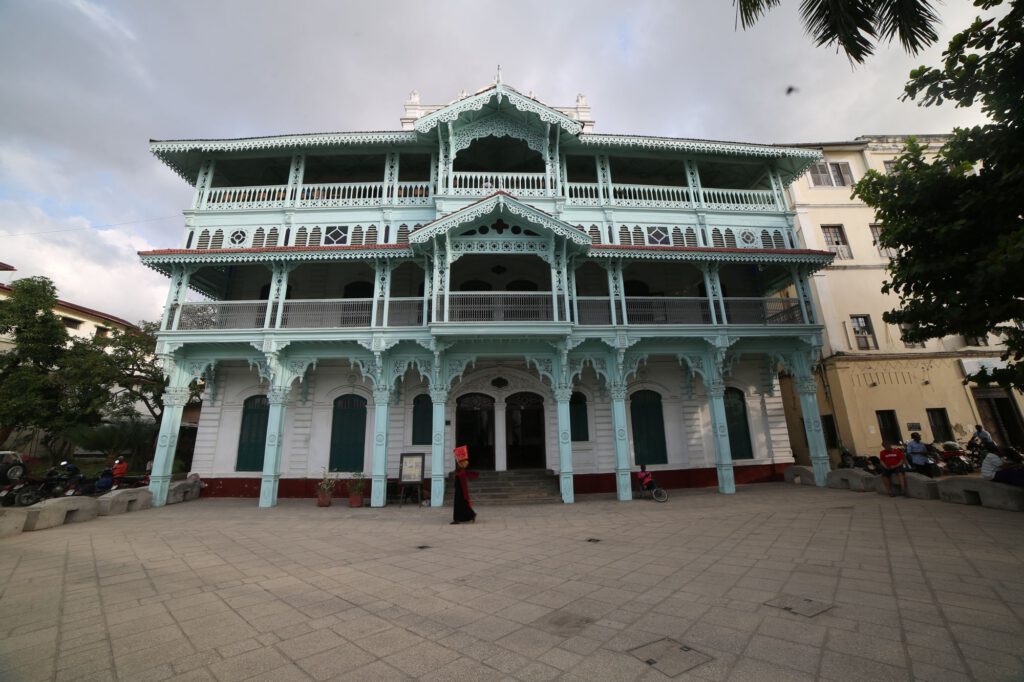
Walk Zanzibar's UNESCO-listed old town with a local guide: market, carved doors, Old Fort and slave market site.
View details
Stone Town, Culture & Spice
Smell and taste cloves, nutmeg, vanilla and cinnamon on a working spice farm outside Stone Town.
View details
Sea & Islands
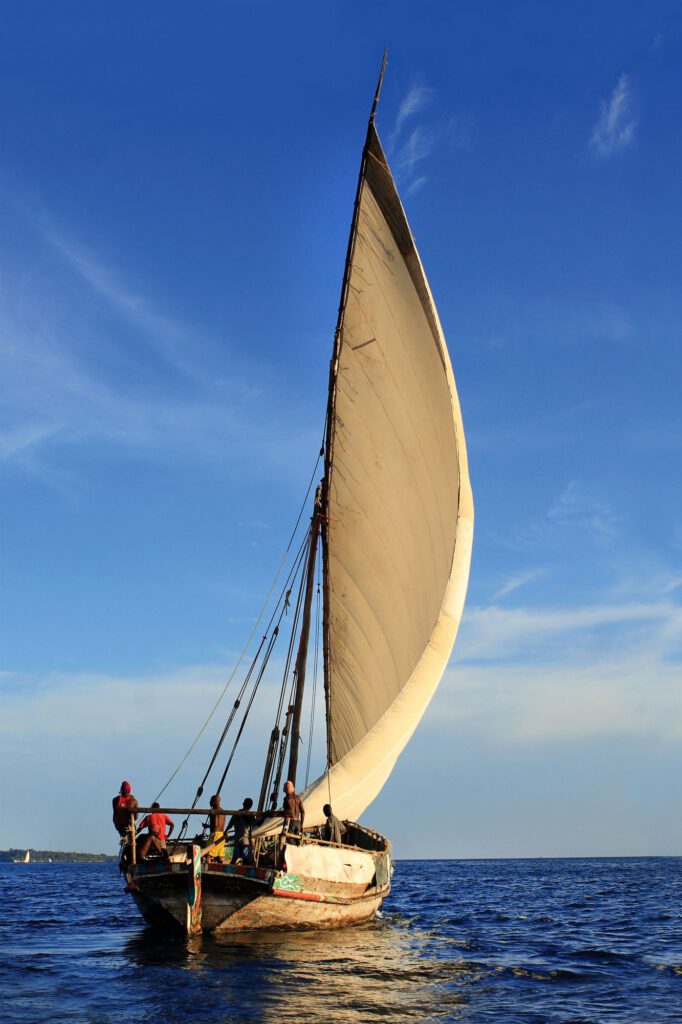
A day under sail in Menai Bay: sandbank, reef snorkelling, seafood on Kwale Island and a lagoon swim.
View details