
Travel information
Zanzibar during Ramadan
What really changes in Zanzibar during Ramadan: eating in public, restaurants, alcohol, dress, excursions, evenings after iftar and the Eid celebrations.
Read the guide
How to dress, greet people in Swahili, take photos respectfully and travel during Ramadan in Zanzibar, from a Stone Town family business.

The short answer
Zanzibar is welcoming but fairly conservative. Wear swimwear only on the beach and cover shoulders and knees in Stone Town and villages. Greet people before asking for anything, ask before taking photographs and, during Ramadan, avoid eating, drinking or smoking in public streets in daylight.
Zanzibar has been a trading port for more than a thousand years. Arab, Persian, Indian, Portuguese, British and mainland African influences have all left their mark on the food, the music, the carved doors of Stone Town and the Swahili language itself. Out of that mix came a culture that is deeply Muslim, quietly proud, very hospitable and, by Western standards, fairly conservative.
Visitors are welcome here, and Zanzibaris are used to them. The short version: dress modestly away from the beach, greet people before you ask for anything, ask before you take a photograph and be discreet during Ramadan. Our family has lived and worked in Stone Town for decades, and these are the things we find make the biggest difference to how guests are received.
The simple rule: swimwear on the beach, modest clothes everywhere else. In Stone Town, in villages, on spice farms and in markets, both men and women should cover shoulders and knees. Loose cotton or linen is comfortable in the heat. Women do not need to cover their hair, except inside a mosque, but a light scarf is handy.
Walking through Stone Town in a bikini top or without a shirt is seen as disrespectful, and Zanzibar's tourism authorities have issued dress-code guidance for visitors, with fines reported for indecent dress in public. On the beach at your hotel, and on boat trips, normal swimwear is fine; topless sunbathing is not.
Greetings matter in Zanzibar. People rarely launch straight into business; they ask after your health, your family, your journey. Trying a few words of Swahili, however badly, always earns a smile.
A few habits that show respect:
Stone Town is wonderfully photogenic, but the people in it are not part of the scenery. Always ask before photographing someone, particularly women and older people, and accept a 'no' gracefully. Some people will ask for a small payment; it is your choice, but do not take the photo first and argue afterwards.
Avoid photographing government buildings, the port, police or military installations. Drones need a permit, and flying one without permission can lead to confiscation. On our tours, guides will tell you where photos are welcome and will happily ask people on your behalf, which often leads to a conversation rather than just a picture.
During the holy month of Ramadan, Muslims fast from dawn to sunset, without food, water or cigarettes. In 2027 it is expected to begin around 8 February and end around 9 or 10 March with the Eid al-Fitr holiday; exact dates depend on the sighting of the moon.
Travelling during Ramadan is perfectly possible and can be very special. Hotels and tourist restaurants operate normally, and all our excursions run. Some local cafés close during the day, and the pace of life slows in the afternoon heat. As a visitor, please avoid eating, drinking or smoking in public streets in daylight, dress more conservatively than usual and keep music low. In the evening, Stone Town comes alive as families break their fast; the atmosphere at Forodhani Gardens after sunset is something to see. Eid itself is a cheerful few days of new clothes, visits and fairground rides.
You may be asked for sweets, pens or money by children, particularly in villages near tourist routes. Please do not hand things out; it encourages children to miss school to wait for tourists. If you want to help, give through an established school or community project rather than on the street.
Beach sellers, known locally as 'beach boys', can be persistent in Nungwi, Kendwa and Paje. A polite, firm 'hapana, asante' and a smile usually work. Book trips through your hotel or a licensed operator rather than with strangers on the beach, who may not have insured boats or trained crew.
Culture and environment are closely linked here. Many coastal families depend on fishing and seaweed farming, so walk around the seaweed plots at low tide rather than through them. Do not buy shells, coral or turtle-shell souvenirs, which are illegal to export and harm the reefs. And if you visit a village, remember it is someone's home: keep to paths, ask before entering compounds and leave nothing behind.
The easiest way to put all this into practice is with a local guide. On our Stone Town tour we explain what you are seeing, ask people on your behalf before photos and help you find your feet on the first morning.
There is no strict dress code on the beach, but modest dress is expected elsewhere. Cover shoulders and knees in Stone Town, villages and markets. Tourism authorities have issued dress-code guidance, with fines reported for indecent dress in public.
Yes. Hotels, tourist restaurants and excursions carry on as normal. Just avoid eating, drinking or smoking in public during daylight, dress modestly and enjoy the lively evenings when the fast is broken.
Yes, alcohol is served in hotels, bars and tourist restaurants. Drinking in the street or getting drunk in public causes offence, especially in Stone Town, so keep it to licensed places and stay discreet.
Asante means thank you, and asante sana means thank you very much. The usual reply is karibu, which means you're welcome. Hapana, asante, meaning no, thank you, is useful with persistent beach sellers.
Only with a permit. Flying a drone without permission can lead to confiscation. Also avoid photographing government buildings, the port, police or military installations, and always ask before photographing people, particularly women and older people.
Travel information
What really changes in Zanzibar during Ramadan: eating in public, restaurants, alcohol, dress, excursions, evenings after iftar and the Eid celebrations.
Read the guide
Travel information
How long to stay in Zanzibar, with simple 3, 5, 7 and 10-day plans, plus how to fit in a safari on the mainland.
Read the guide
Travel information
Dry seasons, rainy months, winds, tides and festivals: a month-by-month guide to choosing when to visit Zanzibar, from our Stone Town office.
Read the guide
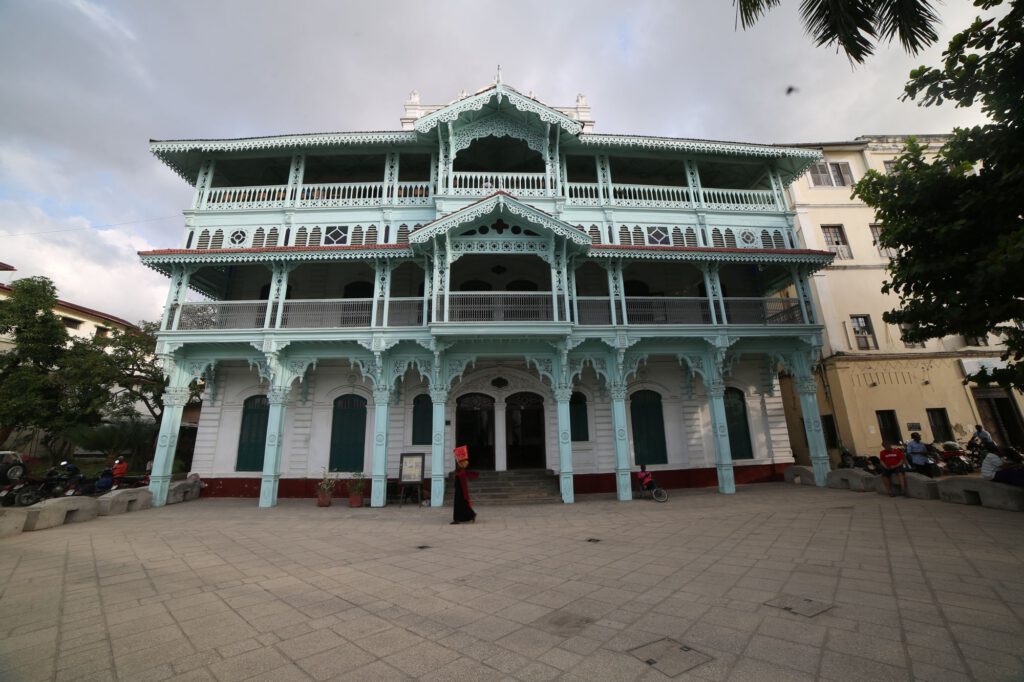
Stone Town, Culture & Spice
Walk Zanzibar's UNESCO-listed old town with a local guide: market, carved doors, Old Fort and slave market site.
View details
Stone Town, Culture & Spice
Smell and taste cloves, nutmeg, vanilla and cinnamon on a working spice farm outside Stone Town.
View details