
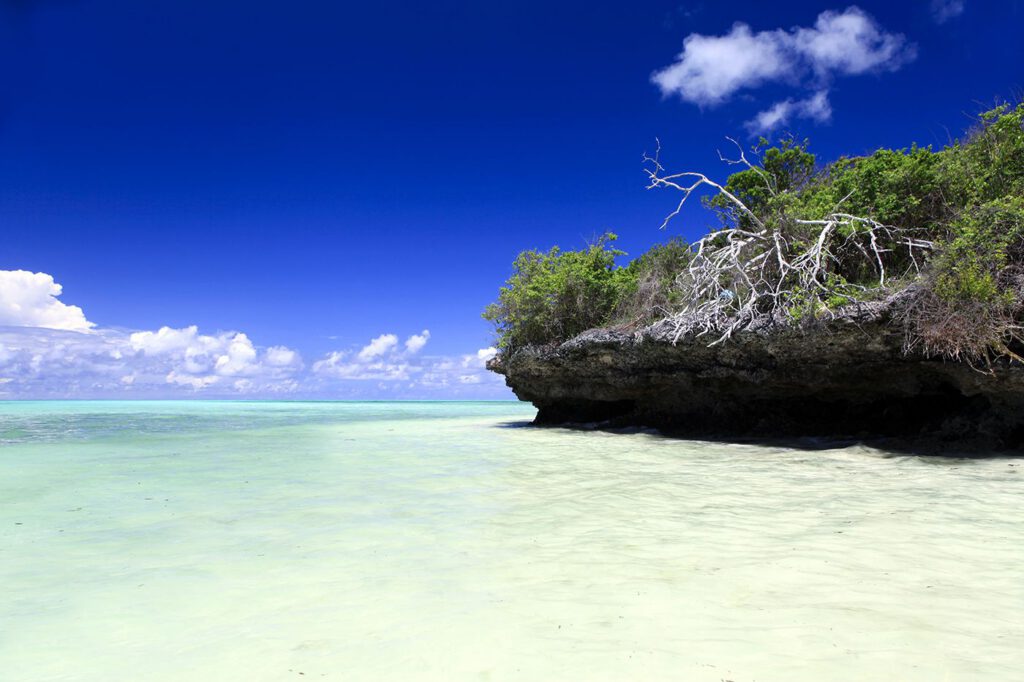
Travel information
How many days in Zanzibar?
How long to stay in Zanzibar, with simple 3, 5, 7 and 10-day plans, plus how to fit in a safari on the mainland.
Read the guide
What to pack for Zanzibar: modest clothes for Stone Town, reef shoes for the tides, reef-safe sun cream and the documents you must not forget.

The short answer
Pack loose, light clothes in natural fabrics that cover shoulders and knees for Stone Town and the villages, plus swimwear for the beach only. Add reef shoes, a rash vest, a hat, reef-safe sun cream, insect repellent, a universal plug adapter, and your passport, e-visa and mandatory insurance certificate.
Zanzibar is warm all year, humid most of it, and relaxed in dress almost everywhere except the places that matter most to local people: the villages, the mosques and the streets of Stone Town. The secret to packing well here is loose, light layers in natural fabrics that cover your shoulders and knees, plus a small kit for the sea.
If you are combining the island with a mainland safari, remember that light aircraft usually limit you to around 15 kg in a soft bag. It is easier to pack for that limit from the start than to leave a suitcase in storage.
The great majority of Zanzibaris are Muslim, and modest dress is a simple sign of respect. You will be made welcome whatever you wear, but you will get warmer smiles if you cover up away from the beach.
Most of our excursions involve a boat, a beach, or both. These make the day more comfortable:
The equatorial sun is stronger than most people expect, and the breeze on a boat hides how quickly you burn. Bring plenty of high-factor sun cream and choose a reef-safe formula without oxybenzone and octinoxate; the corals around Mnemba and Menai Bay are under enough pressure already.
Zanzibar has malaria, although the risk is lower than on parts of the mainland. Take advice from a travel clinic, pack a good insect repellent with DEET or picaridin, and wear long sleeves in the evening. A small first-aid kit is worth bringing: rehydration salts, plasters, antiseptic, antihistamines, motion-sickness tablets for boat days and any prescription medicines in their original packaging. Pharmacies in Stone Town are reasonably stocked; on the remote beaches they are not.
Keep these in your hand luggage, with copies on your phone and in your email:
Zanzibar uses the British-style three-pin plug (Type G) at 230 volts, although some older buildings also have round-pin sockets. A universal adapter covers both. Power cuts happen; most hotels have generators, but a power bank is useful on long excursion days. A waterproof phone pouch is cheaper than a ruined phone. Mobile data is inexpensive if you buy a local SIM or eSIM with your passport on arrival.
Single-use plastic bags are banned in Zanzibar, as they are across Tanzania, and can be confiscated at the airport. Leave them behind and bring a reusable tote. You do not need heavy walking boots for the island, formal wear, or a hair dryer, since most hotels provide one. And there is no point bringing bulky beach toys for children; inflatable rings and buckets are easy to find locally.
Leave space in your bag for what you will want to take home: spices from Darajani market, kangas printed with Swahili proverbs, carved doors in miniature and good Zanzibari coffee.
If a mainland safari is part of your trip, add neutral colours (khaki, olive, sand) and avoid bright white and dark blue or black, which attract tsetse flies in some parks. Early morning game drives are cold in the highlands, especially at Ngorongoro, so pack a fleece and a warm layer even in the dry season. Binoculars make a huge difference. Everything should fit in that soft 15 kg bag.
Every tour page on our site has a short what-to-bring list, so check it once you have chosen your excursions, and ask us if anything is unclear.
On the beach and at your hotel, normal swimwear and summer clothes are fine. In Stone Town and villages, cover your shoulders and knees with loose, light clothing; a scarf is useful, but you do not need to cover your hair unless entering a mosque.
Knee-length shorts are generally accepted, but long, light trousers are more respectful, particularly near mosques and during Ramadan. Going shirtless away from the beach is considered rude. Loose cotton or linen is the most comfortable choice in the heat.
Yes, they are very useful, especially on the east coast at low tide, when you walk over coral sand, seagrass and the occasional sea urchin. Old trainers work too, and either helps on sandbank trips.
Yes. Single-use plastic bags are banned in Zanzibar, as they are across Tanzania, and can be confiscated at the airport. Leave them at home and bring a reusable tote for shopping and beach days.
Zanzibar uses the British-style three-pin plug (Type G) at 230 volts, though some older buildings also have round-pin sockets. A universal adapter covers both, and a power bank is useful on long excursion days.
Travel information
How long to stay in Zanzibar, with simple 3, 5, 7 and 10-day plans, plus how to fit in a safari on the mainland.
Read the guide
Travel information
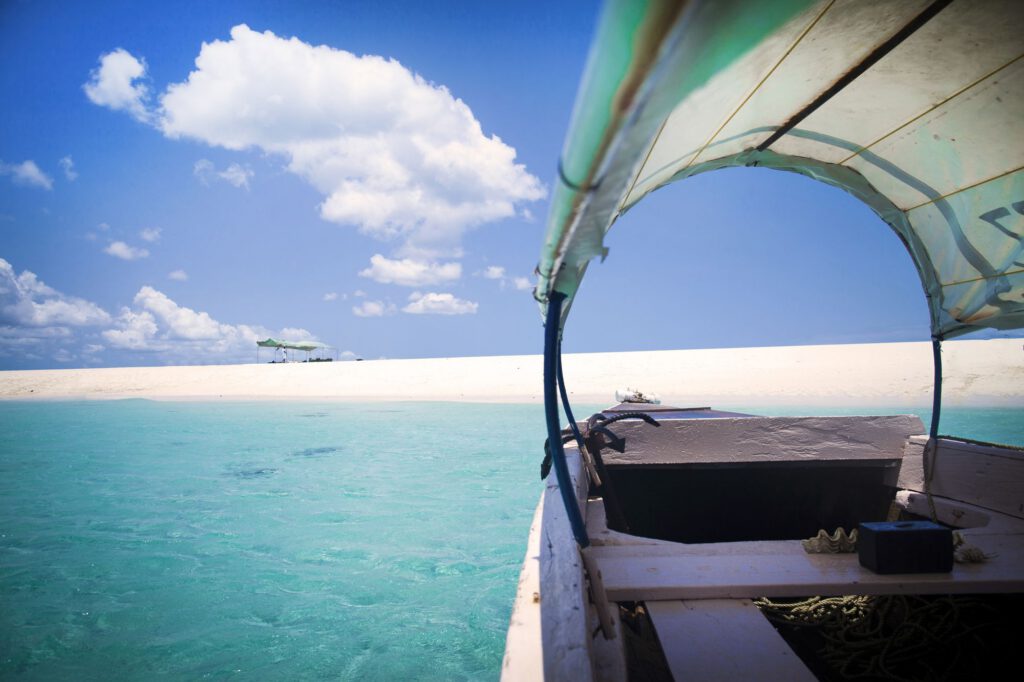
Water, plugs, money, ATMs, SIM cards, tipping, alcohol, dress, safety and where to stay: straight answers to the 20 questions first-time visitors ask us most.
Read the guide
Travel information
Dry seasons, rainy months, winds, tides and festivals: a month-by-month guide to choosing when to visit Zanzibar, from our Stone Town office.
Read the guide
Sea & Islands
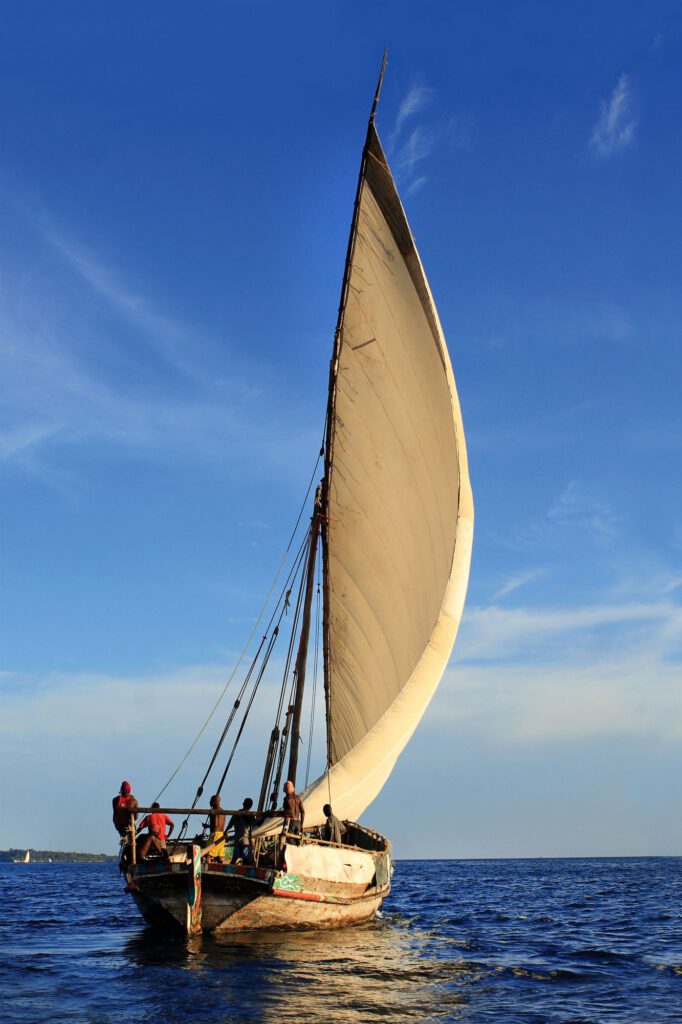
A day under sail in Menai Bay: sandbank, reef snorkelling, seafood on Kwale Island and a lagoon swim.
View details

Sea & Islands
Look for wild dolphins off Mnemba Atoll, then snorkel clear reefs with turtles and shoals of fish.
View details
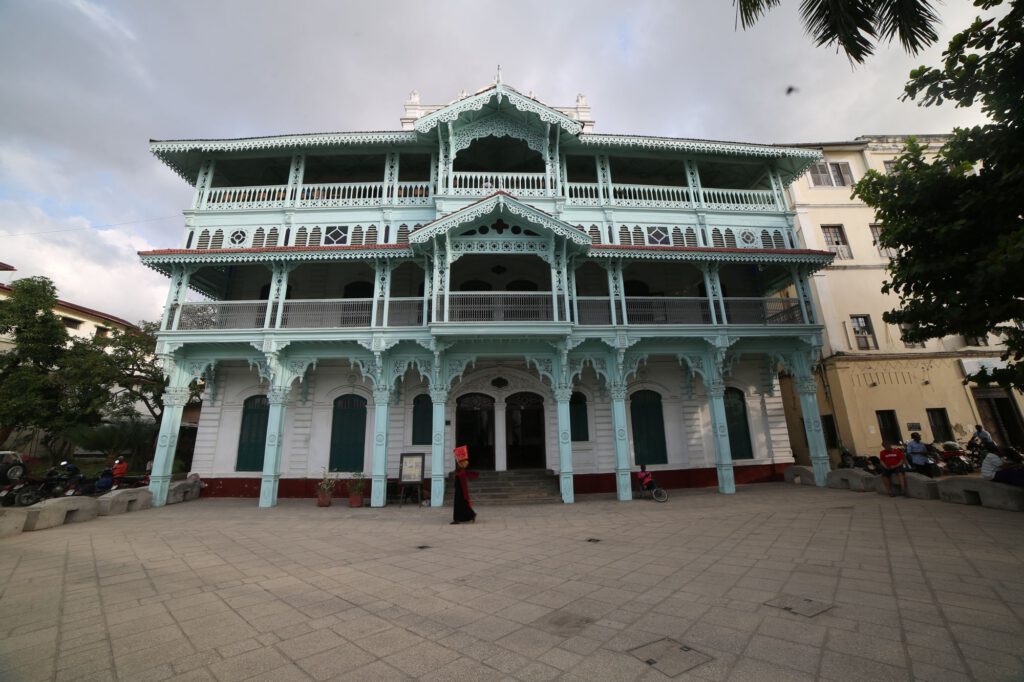
Stone Town, Culture & Spice
Walk Zanzibar's UNESCO-listed old town with a local guide: market, carved doors, Old Fort and slave market site.
View details